
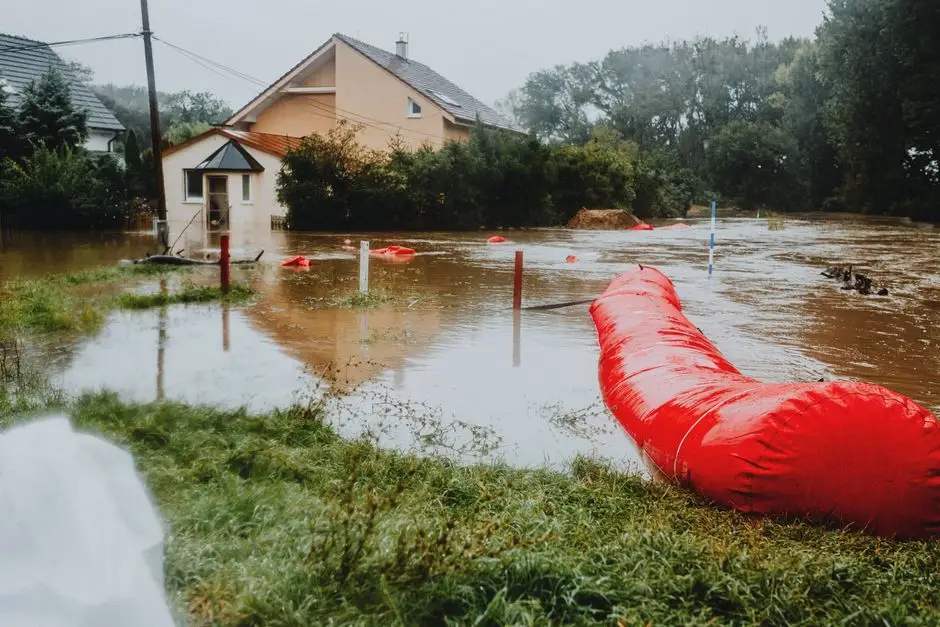
Full Moisture Assessment
We walk the basement with a moisture meter and thermal imaging camera, check wall cavities with a borescope, and mark the high-water line. You get a clear picture of how far the water traveled before we touch anything.
Every job starts with a full assessment and ends with a documented dry-down. What sits in between depends on your water source, your materials, and how long the water was there. Here is what our standard basement water removal services in Utah cover.
We walk the basement with a moisture meter and thermal imaging camera, check wall cavities with a borescope, and mark the high-water line. You get a clear picture of how far the water traveled before we touch anything.
Our extraction units pull standing water from carpet, concrete, and low spots fast. We follow with wet vacuums along the edges and under stairs. A typical residential basement pumps down in two to four hours.
On contaminated losses, we set polyethylene sheeting to contain the area and apply antimicrobial spray to affected surfaces. That step is what separates a clean-water job from a sewage backup protocol, and it protects the rest of your home.
We place air movers and dehumidifiers based on square footage and material type, then return daily to log readings with a hygrometer. Equipment gets adjusted or pulled based on actual numbers, not a fixed schedule.
You get photos, moisture readings, and an Xactimate scope at close-out. That packet is what your adjuster needs to process the claim, and it is your proof the space was dried to standard before anything was rebuilt.
Basement water extraction in Utah is the process of removing standing water from a below-grade space, then drying the slab, walls, and framing so the structure stops absorbing moisture. It is not a shop vac job. We use truck-mounted water extraction units and DeWalt wet vacuums for the shallow edges, then set air movers and dehumidifiers to pull vapor out of concrete and wood subflooring. A moisture meter and hygrometer tell us when the basement is actually dry, not just dry to the touch.
Most Utah basements flood for the same handful of reasons: a burst pipe behind a finished wall, foundation seepage after spring snowmelt, a sump pump that quit during a storm, or a sewage backup pushing up through a floor drain. Finished basements in West Valley City and South Salt Lake often hide water behind drywall and insulation for days. If you are searching for basement water extraction near me Utah and the carpet is already squishing, that is your cue to call.
You should know exactly what happens after you call. Here is the sequence we run on every basement flood, from the first phone call to the final moisture reading.
Schedule
Call or book online — a real human picks up and confirms a 2-hour arrival window.
Diagnose
Licensed tech inspects on-site, then walks you through the cause and your options.
Fix
The job is completed to code and done right the first time — no shortcuts, no surprises.
Guarantee
Every job backed by a written workmanship warranty — and we stand behind it.
Truck-Mounted Water Extraction Unit
Pulls hundreds of gallons of standing water fast from carpet, concrete, and low spots. The bulk of the water is gone in the first two hours.
Dri-Eaz and Phoenix Air Movers
Move high volumes of air across wet surfaces to speed evaporation. Placement is calculated by square footage, not guessed.
Refrigerant and Desiccant Dehumidifiers
Pull moisture out of the air so wet materials keep releasing vapor. Desiccant units handle cooler basement air better than refrigerant in winter.
Thermal Imaging Camera and Borescope
Find water hidden behind drywall and inside wall cavities without tearing the room apart. This is how we map the real wet zone.
Moisture Meter and Hygrometer
Measure moisture content in materials and relative humidity in the air. These numbers decide when drying is actually finished.
DeWalt and Shop-Vac Wet Vacuums
Clean up the edges, under stairs, and tight corners the big hose cannot reach. Detail work that keeps water from sitting.
Polyethylene Sheeting and Antimicrobial Spray
Contain contaminated areas and treat surfaces on sewage or flood losses. Standard practice on any Category 2 or 3 water event.
IICRC WRT Drying Standard
We follow the IICRC Water Restoration Technician standard for extraction, equipment placement, and daily monitoring. It is the industry benchmark insurers recognize, and it gives us a defensible dry-down curve on every job.
IICRC ASD Structural Drying
Applied Structural Drying training covers how to dry wall cavities, wood subflooring, and concrete assemblies without demolition when possible. It is the difference between drying a room and drying a building.
Xactimate Scoping
We price the loss in Xactimate, the estimating platform most carriers use. Line items match the actual work, which shortens claim review and reduces the chance of a disputed scope.
EPA Lead-Safe Practices
On pre-1978 homes, we follow EPA Lead-Safe work practices before cutting into painted surfaces. Containment and cleanup protect your family and keep the job compliant.
01
What we do: Call immediately and shut off the main supply if you can reach it. We dispatch with extraction units and drying gear, pump the water, and dry the slab and wall base before the freeze-thaw cycle makes things worse.
→ Water out the same morning, equipment running by afternoon, and a dry basement in three to four days with no mold.
02
What we do: We extract the carpet and pad, check the pump and pit, and dry the concrete and framing. If the pump is undersized, we tell you what to replace it with so this does not repeat next spring.
→ A dry basement and a pump that can actually keep up with the melt.
03
What we do: We treat it as a contaminated loss: containment, PPE, removal of affected porous materials, extraction, and antimicrobial treatment. Documentation goes to the property owner and the carrier.
→ A safe, disinfected space and a claim packet that supports the full scope.
04
What we do: We run a moisture meter and thermal camera to find the hidden wet zone, extract what we find behind the wall, and dry the cavity. If mold is already present, we bring in the remediation side.
→ The source found, the cavity dried, and a clear answer on whether remediation is needed.
Utah basements flood on a schedule. Spring snowmelt saturates the ground along the Wasatch Front, sump pumps work overtime, and foundation seepage shows up in February and March. Winter brings the other pattern: a supply line freezes in an unheated crawl space or against an exterior wall, then lets go when it thaws. Summer thunderstorms push water through window wells in places like Cedar Valley and Rush Valley. Building stock matters too. Older homes in Echo, Mantua, and Bear River City often have undersized floor drains and no vapor barrier, so water lingers in the concrete. Newer construction in West Valley City and South Salt Lake tends to have finished basements with insulation and drywall right against the slab, which hides the wet zone. We adjust extraction and drying to the house in front of us, and we document readings daily so your carrier sees the dry-down curve, not just a final number.
Wasatch Front
Dense older housing stock with finished basements and frequent freeze-thaw pipe failures. Crews stage here for the fastest response times in the state.
Tooele Valley
Sandy, fast-draining soil and spring snowmelt push water against foundations. Sump pump failures are the most common call we get here.
Cache Valley
Colder winters mean more frozen-pipe calls in Smithfield and Providence. We carry extra heat and thawing gear on those routes.
Southwest Utah
Parowan and the surrounding area see monsoon-driven flooding and older homes with minimal drainage. Extraction and drying follow the same standard.
Spring snowmelt saturating the soil
Groundwater pushes against foundation walls for weeks, so seepage jobs need longer drying cycles and a real look at drainage before we close out.
Hard freezes in January and February
Frozen supply lines burst when they thaw, often behind finished walls. Thermal imaging is essential to find the break without tearing out the room.
Summer monsoon storms
Short, intense rain overwhelms window wells and floor drains. We see more sewage backups and silt-laden floodwater in these events, which changes the cleanup protocol.
Older homes with clay or cast-iron drains
Undersized or cracked drains back up under load. We flag them during extraction so you can plan a repair before the next storm.
Most basement floods trace back to one of a few sources. Knowing which one you have changes how we extract, how long we dry, and what needs repair afterward. Here are the calls we run most often.
Problem
Water spreads behind drywall and insulation for hours before it shows on the floor, soaking framing and feeding mold growth in the cavity.
Our Fix
We shut off the supply, use thermal imaging to map the wet zone, and cut a small access point rather than tearing out the whole wall. Extraction and cavity drying follow, then we document the pipe location for your plumber.
Problem
Water rises fast when the ground is saturated and the pump quits, often overnight. By morning, carpet, pad, and the bottom of drywall are soaked.
Our Fix
We pump the standing water, extract the carpet and pad, and dry the slab and wall base. We also check the discharge line and pit so you know whether the pump needs replacing before the next melt.
Problem
This is contaminated water, not a clean loss. It carries bacteria that make the space unsafe and can ruin porous materials within a day.
Our Fix
We contain the area with polyethylene sheeting, remove affected porous materials, extract, and disinfect with antimicrobial spray. The protocol is different from a clean-water job, and we follow it every time.
Problem
Slow seepage keeps the concrete and the bottom plate of your framing damp for weeks, which is exactly the condition mold growth needs.
Our Fix
We extract what has pooled, dry the concrete and framing to standard, and identify where the water is entering. You get a straight answer on whether the fix is grading, a drain, or a waterproofing contractor.
Standing water in a basement gets expensive fast. Every hour it sits, it wicks higher into drywall, insulation, and wood subflooring. Here is what you get when you call us instead of waiting it out.
Fast Response, Real Numbers
We answer the phone 24/7 and dispatch crews across Utah with extraction units already loaded. Most Wasatch Front calls get water moving within 60 to 90 minutes of your call. In outlying areas like Tooele or Cedar Valley, we stage equipment closer so the drive does not eat your drying window.
We Find the Hidden Water
A wet carpet is the obvious part. The damage is usually behind it. We run thermal imaging cameras and a borescope into wall cavities to catch water trapped behind drywall and insulation, then log readings on a moisture meter so your insurance claim has hard numbers instead of guesses.
Drying That Passes Inspection
Pumping water out is half the job. We follow IICRC WRT drying standards, set desiccant or refrigerant dehumidifiers, and monitor daily until the slab and framing hit dry standard. That documented dry-down is what keeps mold growth from showing up three weeks later.
We Handle the Paperwork
We photograph affected materials, sketch the loss, and price the scope in Xactimate, the same software most carriers use. That means fewer back-and-forth questions on your claim and a clear record of what was wet, what we dried, and what had to be replaced.
Typical 2026 pricing for basement water extraction in Utah runs $500 to $2,500 for the extraction itself, with drying equipment adding $30 to $75 per unit per day. A small clean-water loss in an unfinished basement sits near the bottom. Finished space, sewage contamination, or several inches of standing water pushes toward the top. We scope every job in Xactimate before work starts, so you see the line items and your carrier sees the same numbers.
Typical Investment Range
$500 - $2,500 for extraction, plus $30 - $75 per drying unit per day
The extraction bill is small next to what a wet basement costs if it stays wet: mold remediation, replaced drywall, and a structural repair. Drying it right the first time is the cheaper path, and the documentation supports your claim.
What changes the price
Water category
Clean water from a burst pipe costs less to handle than Category 2 gray water or Category 3 sewage. Contaminated losses add containment, PPE, antimicrobial treatment, and disposal, which raises the total.
Square footage affected
Extraction and drying scale with area. A 200-square-foot utility corner is a different job than a 900-square-foot finished basement with carpet, pad, and drywall.
Material types
Concrete and tile dry faster and cheaper than carpet, pad, wood subflooring, and insulation. Porous materials that cannot be saved add removal and replacement cost.
Water depth and duration
An inch of water caught in an hour is a smaller job than six inches that sat for two days. Longer exposure means deeper saturation and more drying days.
Access and equipment needs
Basements with tight stairs, finished ceilings, or no exterior access take longer to set up. That labor shows up in the estimate, and we tell you before we start.
Google ★★★★★4.9
Called at 1 a.m. about a burst pipe flooding our basement. Crew arrived in about an hour, found the break with a thermal camera, and had the water out by 3:30. Four days of drying and the meter read normal. Straight answers the whole way.
Yelp ★★★★★4.8
Sewage backup in our rental basement. They contained it, removed the wet drywall, and disinfected everything. The Xactimate report made the insurance claim painless. Would call them again without hesitation.
BBB ★★★★★5.0
Sump pump failed during the spring melt and soaked our finished basement. They pulled the pad, dried the concrete in three days, and told us the pump was undersized instead of upselling us. Honest work at a fair price.
Basement water removal in Utah is not a side job for us. Our technicians hold IICRC WRT and IICRC ASD certifications, which cover water damage restoration and structural drying science, plus IICRC AMRT for the mold side of the work. We carry Utah contractor licensing and OSHA 10 training, and we work EPA Lead-Safe practices on older homes where paint may contain lead. We have pumped basements after burst pipes in Randolph, after spring snowmelt in Mantua, and after sewage backups in South Salt Lake. Same crew, same standards, statewide.
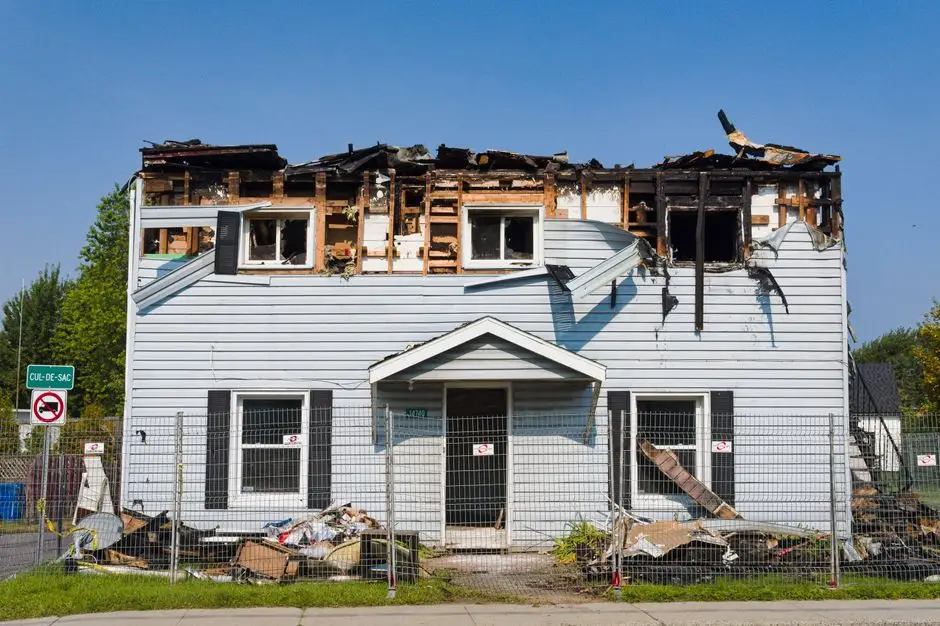
Our crews cover the whole state, from the Wasatch Front to the rural corners. Whether you need Utah basement water removal in a dense neighborhood or emergency basement water removal Utah in a small town, we route equipment and technicians to your address. Here are some of the communities we serve.
Finished basements and older housing stock make burst pipes and foundation seepage common here. We stage crews nearby for fast response across the west side.
Spring snowmelt and sandy soil push water against foundations. We handle sump failures and seepage with full extraction and drying.
Sump pump failures during the melt are our most frequent call in Tooele. We pump, dry, and check the pit before we leave.
Dense rental housing and older drains mean more sewage backups. We run containment and disinfection protocols on every contaminated loss here.
Cold Cache Valley winters bring frozen-pipe calls. We carry thawing and extraction gear on every Smithfield route.
Finished basements with insulation against the slab hide water well. Thermal imaging finds it before the drywall has to come out.
Monsoon storms and older homes with minimal drainage drive our calls here. Extraction and drying follow the same standard statewide.
Small-town homes near the foothills see snowmelt seepage each spring. We extract, dry, and flag drainage fixes before the next melt.
Older floor drains and saturated ground make backups likely. We pump the water, dry the space, and document the loss for your carrier.
Remote routes get staged equipment so response times stay reasonable. Frozen pipes and seepage are the two calls we run most in Randolph.
Storm-driven flooding and fast-draining soil bring water into basements quickly. We extract fast and dry to standard.
Rural properties often have unfinished basements and older plumbing. We handle extraction, drying, and honest advice on the source.
Older homes with undersized drains back up under load. We extract, disinfect when needed, and document the scope for insurance.
Remote and rural, Park Valley jobs get equipment routed in advance. We handle frozen-pipe breaks and seepage with the same standard.
Real answers to the questions we hear most often from local homeowners and property managers.
Extraction is step one of water damage restoration. Once the standing water is out, we dry the structure, replace what cannot be saved, and document the whole loss for your carrier. Most basement jobs need both services on the same ticket.
View Water Damage RestorationWhen the water is still rising, emergency water removal gets a crew moving before the full assessment. We shut off the source, pump the bulk water, and stabilize the space so the damage stops spreading while we plan the dry-down.
View Emergency Water RemovalFloodwater carries silt, bacteria, and whatever the storm dragged in. Flood cleanup adds containment, antimicrobial spray, and debris haul-out on top of extraction, which is what a muddy basement after a Tooele storm actually needs.
View Flood CleanupWater in a crawl space wicks up into the floor above and feeds mold growth. We pump it out, dry the joists and insulation, and check the vapor barrier. It pairs with basement extraction when both spaces take on water from the same source.
View Crawl Space Water RemovalA sewage backup is a contaminated water loss, not a clean one. We contain the area, remove affected porous materials, extract, and disinfect with antimicrobial spray. That is a different protocol than a burst-pipe job, and it matters for your health.
View Sewage Backup CleanupAfter a storm pushes water through a window well or a failed sump, storm damage restoration covers the roof, siding, and basement together. We tarp, extract, and dry in one sequence so the water does not get a second chance.
View Storm Damage RestorationCall us at (855) 343-0501 any time, day or night. A live dispatcher answers, not a machine. We serve the entire state of Utah and can have a crew at your door within 60 to 90 minutes for most Wasatch Front addresses. You can also email [email protected].
Phone
(855) 343-0501Address
Utah
Hours
Mon–Fri: 7AM – 7PM
Sat: 8AM – 4PM
Sun: Emergency Only
24/7 Emergency Available