
Moisture Mapping and Assessment
We use moisture meters and thermal imaging cameras to map wet areas, including behind vapor barriers and under insulation. This step ensures we don't miss hidden water that causes mold later.
Every crawl space water removal job includes assessment, extraction, antimicrobial treatment, drying, and a final moisture check. We also handle debris removal and can install vapor barriers or sump pumps as add-ons. Here's what's covered in a standard service call.
We use moisture meters and thermal imaging cameras to map wet areas, including behind vapor barriers and under insulation. This step ensures we don't miss hidden water that causes mold later.
Our water extraction unit and Shop-Vac remove standing water from the lowest point. We use a borescope in tight areas to confirm all water is gone before drying begins.
We apply antimicrobial spray to framing, joists, and wood subflooring to kill mold spores and bacteria. This is especially important in Utah where mold can start within 24 hours.
Air movers and dehumidifiers circulate dry air across wet materials. We monitor with hygrometers daily and adjust equipment until moisture content meets dry standards.
We remove soaked insulation, cardboard, and debris, bag it, and haul it away. The crawl space is left clean and ready for any preventive measures.
Before we leave, we take moisture readings and show you the results. You get a written summary of the work and recommendations for preventing future water intrusion.
crawl space water removal in Utah is a specialized water damage service that extracts standing water, dries structural materials, and disinfects the crawl space to prevent mold and wood rot. It is needed whenever water pools under a home from a burst pipe, slab leak, roof leak, or foundation seepage. Our technicians use moisture meters, thermal imaging cameras, and high-capacity extraction units to find every wet pocket, not just the obvious puddle.
Utah crawl space water removal matters because crawl spaces here sit above clay-heavy soil and freeze-thaw cycles that push water toward foundations. A slow leak under a 1950s rambler in Provo can soak joists for weeks before you smell it. We also handle crawl space flood removal Utah after summer monsoons and spring snowmelt, when water tables rise fast along the Wasatch Front and in valley towns like Mona and Hinckley.
Every job follows the same five steps, whether it's a small leak in Richmond or a flooded crawl space in Eagle Mountain. Here's what to expect from the first call to the final moisture check.
Schedule
Call or book online — a real human picks up and confirms a 2-hour arrival window.
Diagnose
Licensed tech inspects on-site, then walks you through the cause and your options.
Fix
The job is completed to code and done right the first time — no shortcuts, no surprises.
Guarantee
Every job backed by a written workmanship warranty — and we stand behind it.
Moisture Meter
Measures moisture content in wood and drywall to identify wet areas and track drying progress.
Thermal Imaging Camera
Reveals temperature differences to find hidden water behind walls and under vapor barriers.
Water Extraction Unit
High-capacity pump that removes standing water from crawl spaces quickly.
Air Mover
Circulates air to evaporate moisture from wood framing and subflooring.
Dehumidifier
Removes moisture from the air to speed drying and prevent secondary damage.
Borescope
Inspects tight spaces behind piers and under insulation without dismantling structures.
Sump Pump
Installed to manage future water intrusion and keep crawl spaces dry long-term.
IICRC S500 Standard
We follow the IICRC S500 standard for water damage restoration, which sets guidelines for extraction, drying, and moisture verification.
Antimicrobial Treatment
We apply EPA-registered antimicrobial spray to framing and subflooring to kill mold spores and bacteria after water extraction.
Vapor Barrier Installation
Polyethylene sheeting is installed over crawl space soil to block moisture vapor and prevent future humidity problems.
Xactimate Estimating
We use Xactimate software to create detailed, insurance-friendly estimates that speed up claim approvals.
01
What we do: We shut off the water if needed, extract standing water, remove soaked insulation, and set up drying equipment. We also check for frozen pipes nearby.
→ The crawl space dries in four days, and the homeowner avoids mold and structural repairs.
02
What we do: Our crew extracts water, applies antimicrobial spray, and installs a vapor barrier and sump pump to handle future meltwater.
→ The crawl space stays dry through the next melt season, and humidity levels drop significantly.
03
What we do: We remove wet insulation, extract water from joists, and dry the wood subflooring with air movers and dehumidifiers.
→ Moisture readings return to normal, and the homeowner avoids mold remediation costs.
04
What we do: We treat it as a Category 3 water emergency, using PPE, extracting contaminated water, and disinfecting all surfaces.
→ The crawl space is safe and clean, and the homeowner's insurance covers the claim.
Utah's climate and building stock shape how crawl space water removal in Utah is done. Along the Wasatch Front, freeze-thaw cycles in winter and spring snowmelt push water into crawl spaces through foundation cracks. Older homes in Provo and Logan often have clay soil that holds water, while newer builds in Eagle Mountain and Herriman may have poorly graded lots. Summer monsoons can dump an inch of rain in an hour, overwhelming drainage. We adjust our approach based on the season: in November, we're often dealing with burst pipes and early snowmelt, while summer calls focus on storm-driven flooding. Our crews carry polyethylene sheeting and sump pumps to address the source, not just the water. If you need crawl space water extraction services in Utah, we know the local conditions that cause the problem.
Federal Heights
Older homes with mature trees and clay soil often have foundation seepage after heavy rain.
Daybreak
Newer construction in South Jordan with graded lots that can channel water toward foundations.
Old Town Park City
Historic homes with crawl spaces that are prone to snowmelt intrusion in spring.
Tree Streets
Provo neighborhood with 1950s homes and original plumbing that can develop slab leaks.
Freeze-thaw cycles
Pipes burst and foundation cracks widen, allowing water into crawl spaces during winter and early spring.
Clay-heavy soil
Water pools around foundations instead of draining, increasing seepage risk in valley areas.
Summer monsoons
Intense rain overwhelms gutters and grading, sending water into crawl spaces.
Snowmelt
Rapid melting in spring can raise water tables and flood crawl spaces in mountain towns.
Water in a crawl space causes problems that spread fast. Here are the most common issues we solve for Utah homeowners, from mold growth to foundation damage.
Problem
Mold spores circulate through HVAC systems, causing allergies and structural rot. Ignoring it leads to expensive remediation.
Our Fix
We extract water, apply antimicrobial spray, and dry materials to prevent mold. If mold is present, we offer mold remediation as a follow-up.
Problem
Wet wood subflooring loses strength and warps, causing squeaks and cracks in tile and grout above.
Our Fix
Our structural drying process restores moisture content to safe levels, stabilizing the subfloor and preventing further damage.
Problem
Damp crawl space air migrates into living areas, making HVAC systems work harder and raising energy costs.
Our Fix
We dry the space and can install polyethylene sheeting as a vapor barrier to keep humidity out long-term.
Problem
Water returns every spring or after storms, causing repeated damage and potential foundation cracks.
Our Fix
We identify the source, regrade soil if needed, and install sump pumps to manage water before it enters the crawl space.
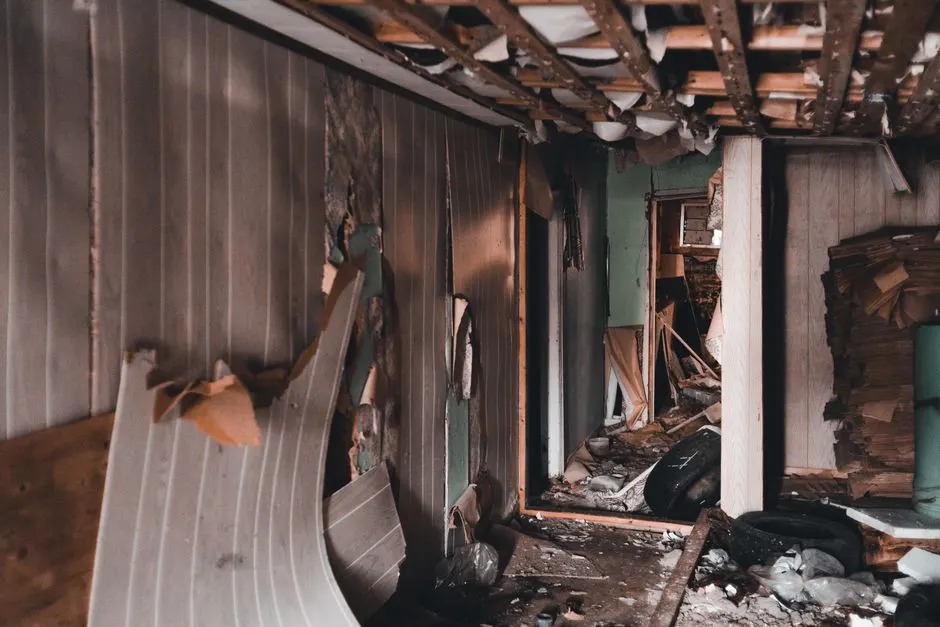
Water under a home doesn't fix itself. These four outcomes are what our Utah customers notice most after crawl space water extraction Utah crews finish the job.
Stops Mold Before It Spreads
Mold can colonize wet wood in 24 to 48 hours. We apply antimicrobial spray to joists and subflooring, then verify with a hygrometer that moisture levels drop below 16 percent. That's the difference between a cleanup and a mold remediation bill.
Protects Foundation and Floors
Standing water softens soil and warps wood subflooring, which shows up as squeaks, sagging, and cracked tile above. Extraction plus structural drying stabilizes the framing. We document moisture readings before and after so you can see the drop.
Cuts Energy Bills and Odors
A damp crawl space pushes humid air into living spaces, making your HVAC work harder and leaving a musty smell. After crawl space drying Utah crews finish, homes in Farmington and Pleasant Grove often see humidity drop 20 to 30 percent, and the odor goes with it.
Prevents Repeat Water Damage
We don't just pump water and leave. Our team checks for the source, installs polyethylene sheeting as a vapor barrier when needed, and can set a sump pump to handle future seepage. That's how crawl space water removal services Utah homeowners call once, not every season.
Crawl space water removal cost in Utah typically ranges from $500 to $2,500 in 2026, depending on water volume, square footage, and how many days drying takes. Emergency calls, contaminated water, and difficult access add to the cost. We provide a written estimate before work starts and work with your insurance to cover covered losses. Our pricing is transparent, with no hidden fees.
Typical Investment Range
$500 - $2,500 depending on scope
This price covers extraction, antimicrobial treatment, drying equipment, and final verification. It's an investment in preventing mold and structural damage that could cost thousands more.
What changes the price
Water Volume
More standing water means longer extraction and more equipment, raising the cost.
Square Footage
Larger crawl spaces require more air movers and dehumidifiers, increasing drying time and cost.
Water Category
Category 3 water (sewage) requires special handling and disposal, which adds to the price.
Access Difficulty
Tight crawl spaces or those with limited entry may require extra labor and equipment.
Drying Days
Most jobs dry in 3 to 5 days, but some take longer, adding daily equipment rental fees.
Google ★★★★★4.9
Fast response and thorough work. They extracted water from our crawl space and showed us moisture readings before and after. Highly recommend for crawl space water removal in Utah.
Yelp ★★★★★4.8
Professional crew, explained everything, and worked with our insurance. Our crawl space is dry and odor-free.
BBB A+
Honest pricing and reliable service. They fixed the source of the water and installed a vapor barrier.
Our technicians hold IICRC WRT and IICRC ASD certifications, and several carry IICRC AMRT for mold work. We follow EPA Lead-Safe practices on older homes and hold a Utah contractor license. That training matters in crawl spaces, where confined access, electrical lines, and hidden moisture make guesswork expensive. We've dried crawl spaces from century-old farmhouses in Paradise to new builds in Eagle Mountain, and we document every job with moisture readings and photos.
We provide crawl space water extraction Utah wide, from the northern valleys to the southern mountains. Our crews are based to reach most areas within a few hours, and we handle emergency calls 24/7. Here are some of the cities we serve.
Crawl space water removal in Logan handles freeze-thaw pipe bursts and snowmelt seepage in older homes near Utah State University.
Newer homes in Eagle Mountain often need crawl space water extraction after monsoon storms overwhelm grading.
Pleasant Grove crawl spaces face foundation seepage from clay soil and spring runoff; we extract and dry fast.
Farmington homeowners call us for crawl space flood removal after heavy rain and snowmelt from the foothills.
Grantsville's rural setting means well water and septic issues can lead to crawl space moisture; we handle extraction and drying.
Park City's mountain climate brings snowmelt and burst pipes; our crews extract water and install vapor barriers.
Richmond crawl spaces often suffer from foundation seepage after irrigation season; we dry and prevent mold.
Mona's clay soil and high water table can cause crawl space flooding; we offer emergency extraction.
Hinckley's agricultural setting means crawl spaces can flood from irrigation; we extract and dry.
Paradise homes with crawl spaces need water removal after snowmelt; we serve this Cache Valley town.
Laketown's proximity to Bear Lake means high humidity and crawl space moisture; we dry and install barriers.
Kanarraville's flash flood risk can send water into crawl spaces; we respond 24/7 for extraction.
Brian Head's heavy snowfall leads to spring crawl space flooding; we extract water and dry structures.
Cisco's remote location means fewer service options; we travel to provide crawl space water removal.
Real answers to the questions we hear most often from local homeowners and property managers.
Full-service water damage restoration picks up where crawl space water removal ends, handling drywall, insulation, and structural repairs so your home is back to pre-loss condition.
View Water Damage RestorationWhen water is rising fast, our emergency water removal crews extract standing water from crawl spaces, basements, and living areas 24/7 across Utah.
View Emergency Water RemovalFlood cleanup covers contaminated water from storms and sewage backups, including disinfection and debris removal in crawl spaces and lower levels.
View Flood CleanupBasement water extraction uses the same pumps and drying equipment as crawl space work, scaled for larger volumes and finished basement materials.
View Basement Water ExtractionSewage backup cleanup is a Category 3 water emergency. We remove contaminated water, disinfect, and dispose of affected materials per Utah health regulations.
View Sewage Backup CleanupStorm damage restoration addresses roof leaks, window breaks, and flooding after Utah monsoons and snowstorms, including crawl space water extraction.
View Storm Damage RestorationCall us at (855) 343-0501 any time, day or night. A live dispatcher answers, not a machine. We serve the entire state of Utah and can have a crew at your door within 60 to 90 minutes for most Wasatch Front addresses. You can also email [email protected].
Phone
(855) 343-0501Address
Utah
Hours
Mon–Fri: 7AM – 7PM
Sat: 8AM – 4PM
Sun: Emergency Only
24/7 Emergency Available