

Emergency Tarping and Board-Up
We cover roof damage with heavy polyethylene sheeting and board broken windows the same day. That stops water from getting deeper into the structure while the claim is being processed.
Every storm job is different, but the core scope is the same: secure the property, remove the water, dry the structure, and rebuild what the storm destroyed. Here is what is covered on a standard Utah storm claim and what gets added only if the damage calls for it.
We cover roof damage with heavy polyethylene sheeting and board broken windows the same day. That stops water from getting deeper into the structure while the claim is being processed.
Standing water comes out with truck-mount and portable extraction units. We pull water from carpet, pad, hardwood, and subflooring before it spreads into adjacent rooms.
Air movers, desiccant dehumidifiers, and daily hygrometer readings bring framing, drywall, and subflooring back to dry standard. Most homes dry in three to five days.
We haul out storm debris, saturated drywall, and ruined insulation, then apply antimicrobial spray to affected framing to stop mold growth before it starts.
Photos, moisture readings, and Xactimate line items go into a claim packet we send to your adjuster. You get a copy of everything we submit.
Shingles, drywall, paint, trim, and flooring get replaced by our own crews. You get one warranty and one final walkthrough when the job is done.
Storm damage restoration in Utah is the licensed trade of securing a storm-damaged structure, removing water and debris, drying the building envelope, and rebuilding what the weather destroyed. It is not just roof patching. A single hailstorm can crack shingles, punch through a skylight, and send water down through drywall, insulation, and wood subflooring within an hour. We document every wet material with a moisture meter and thermal imaging camera before anything gets torn out.
Utah storms hit differently depending on where you live. Wasatch Front hail, Cache Valley wind, and southern Utah flash flooding all create different damage patterns. If you search storm damage restoration near me Utah after a June hailstorm in Orem or a January ice event in Garland, you need a crew that knows how Utah buildings fail. We have dried everything from 1920s brick bungalows in Murray to new slab-on-grade builds in Levan.
Every storm job follows the same five steps, whether it is a single roof leak in Payson or a flooded basement in Midvale. Here is exactly what happens from the first call to the final walkthrough.
Schedule
Call or book online — a real human picks up and confirms a 2-hour arrival window.
Diagnose
Licensed tech inspects on-site, then walks you through the cause and your options.
Fix
The job is completed to code and done right the first time — no shortcuts, no surprises.
Guarantee
Every job backed by a written workmanship warranty — and we stand behind it.
Thermal Imaging Camera
Finds hidden moisture behind drywall and under flooring without tearing the house apart. We use it on every storm assessment to map the actual wet zone.
Moisture Meter and Hygrometer
Reads moisture content in framing, drywall, and subflooring. Daily readings tell us when materials hit dry standard so we do not pull equipment too early.
Dri-Eaz Air Movers and Dehumidifiers
Move air across wet surfaces and pull moisture out of the air. We size the equipment count to the cubic footage of the affected area, not a flat guess.
Desiccant Dehumidifiers
Pull moisture out of crawl spaces and tight cavities where refrigerant units cannot keep up. Essential after storm water gets into a low, humid space.
Borescope
Lets us look inside wall cavities and behind siding without cutting a big hole. We confirm where water actually traveled before we open anything up.
Water Extraction Unit
Truck-mount and portable units pull hundreds of gallons of standing water out of carpet, pad, and hard flooring in a single visit.
IICRC S500 Drying Standard
We follow the IICRC S500 standard for water-damaged structures, which sets the drying goals, equipment ratios, and documentation requirements for every job. That is why our readings hold up when an adjuster reviews the claim.
Xactimate Estimating
Estimates are written in Xactimate, the same platform most Utah adjusters use. Line items match industry pricing, which cuts back-and-forth and speeds up claim approval.
Antimicrobial Treatment
After extraction and before rebuild, we apply antimicrobial spray to affected framing and cavities. It stops mold growth from starting while the structure finishes drying.
Polyethylene Encapsulation
For crawl spaces, we lay polyethylene sheeting over the soil after drying. It blocks ground moisture from re-entering the space and keeps the framing dry long term.
01
What we do: We tarp the roof, trace the leak with a moisture meter, and dry the attic framing. Then we replace the damaged shingles and decking and match the rest of the roof.
→ You get a dry attic, a repaired roof, and a claim packet your adjuster can approve without a second visit.
02
What we do: We board the window, extract standing water, and run air movers and dehumidifiers until the framing and subflooring are dry. Then we rebuild the window and wall.
→ Basement is dry in four days, the wall is rebuilt, and no mold growth shows up weeks later.
03
What we do: We pump the crawl space, run a desiccant dehumidifier, and test for mold growth. If readings are clean, we install polyethylene sheeting to keep it that way.
→ Crawl space is dry, the musty smell is gone, and the flooring above stops warping.
04
What we do: We tarp the opening, remove the limb, and inspect the structural framing with a borescope. Then we replace sheathing, shingles, and any damaged rafters.
→ Roof is watertight again, the structure is sound, and the repair is documented for your claim.
Utah storm damage is a seasonal business with a sharp edge. Hail season runs May through August along the Wasatch Front, wind events hit Cache Valley and the northern valleys in spring, and winter storms drive ice dams and burst pipe calls from Logan down to Cedar City. Building stock matters too: older brick homes in Murray and Midvale have plaster walls that dry slower than modern drywall, while newer slab-on-grade builds in Levan and Eagle Mountain hide water under the slab. We check Utah contractor license requirements and pull permits for structural repairs, and we follow EPA Lead-Safe practices on pre-1978 housing. If you are searching emergency storm damage restoration Utah at 3 a.m. after a wind event, we are already staging equipment along the I-15 corridor.
Wasatch Front
Hail and wind hit hardest along the I-15 corridor from Provo to Ogden. We stage crews and equipment here so response times stay under 90 minutes.
Cache Valley
Logan, Mendon, and Clarkston see spring wind events and heavy snow loads. Older farmhouses here often need roof and attic drying together.
Utah County
Orem, Lindon, and Payson get summer hail that cracks shingles and drives water into attics. We run daily routes through this corridor during hail season.
Rural Utah
Places like Ibapah, Cornish, and Deweyville are far from the nearest contractor. We cover them with the same crews and equipment, just a longer drive.
Hail season from May through August
Shingle damage and roof leaks spike during these months. We keep extra tarps and roof patch materials loaded so we can stabilize the same day.
Winter freeze-thaw cycles
Ice dams and burst pipes drive storm calls from November through March. We isolate the water source first, then dry and rebuild.
Spring runoff and flash flooding
Crawl spaces and basements flood fast in low-lying areas. We pump, dry, and check foundation seepage before the next storm.
High wind events in the northern valleys
Wind tears off shingles and pushes water sideways into walls. We trace the intrusion path with a thermal imaging camera before rebuilding.
Utah storms leave behind more than missing shingles. Water gets into places you cannot see, and the damage keeps spreading until someone stops it. Here are the problems we see most often after a Wasatch Front or rural Utah storm.
Problem
Water runs down through the attic, soaks insulation, and stains ceilings within hours. Left alone, it rots decking and feeds mold growth in the attic cavity.
Our Fix
We tarp the roof the same day, trace the leak path with a moisture meter and borescope, and dry the attic framing before replacing shingles and decking.
Problem
Standing water wicks up drywall and into wood subflooring. Within 24 to 48 hours, mold growth starts and the repair bill climbs fast.
Our Fix
We pump the basement, extract water from carpet and pad, and run dehumidifiers until the slab and framing hit dry standard. Then we check foundation seepage and seal what needs sealing.
Problem
Crawl space moisture rots joists, warps flooring above, and pushes humid air into the living space. It is the most common hidden storm problem in older Utah homes.
Our Fix
We remove standing water, run desiccant dehumidifiers, and install polyethylene sheeting over the soil. That keeps the space dry and protects the framing above.
Problem
Storm water overwhelms municipal lines and pushes sewage back into basements. That is Category 3 water and needs full protective handling, not a shop vac.
Our Fix
Our crew handles the cleanup with PPE, removes contaminated materials, applies antimicrobial spray, and disposes of everything to code.
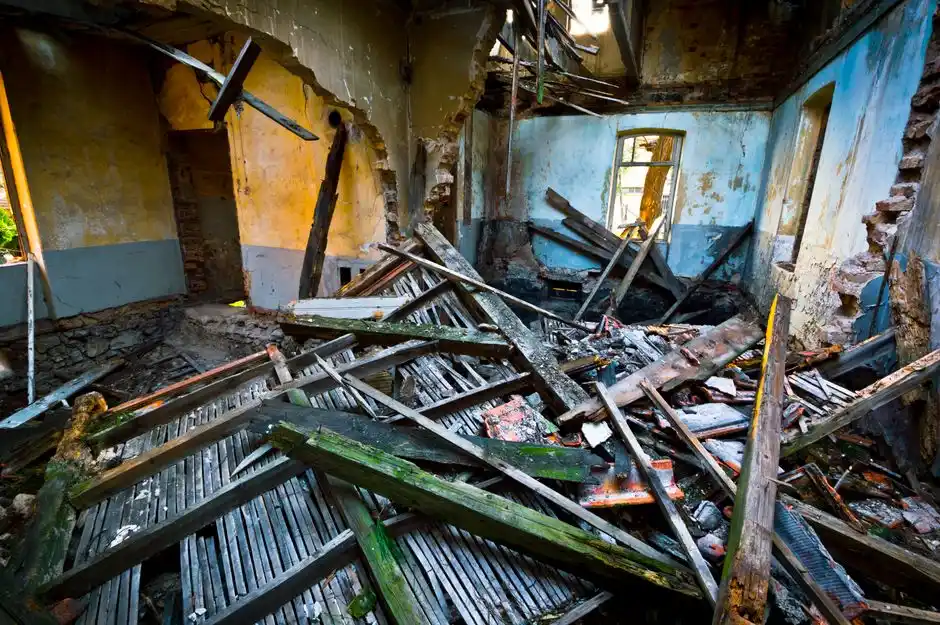
Storm damage gets worse by the hour. Water spreads through wall cavities, mold growth starts in 24 to 48 hours, and insurance claims get harder to prove the longer you wait. Here is what you get when you call us first.
24/7 Emergency Response
We answer the phone at 2 a.m. after a wind event knocks a tree onto your roof. Crews roll with tarps, water extraction units, and air movers already loaded. Most Wasatch Front addresses see a technician within 60 to 90 minutes of the call.
Direct Insurance Billing
We write estimates in Xactimate, the same software your adjuster uses, which cuts back-and-forth. We photograph every damaged shingle, wet wall, and saturated subfloor, then submit the claim packet for you. Most Utah storm claims get approved without a second inspection.
IICRC-Certified Drying
Our technicians hold IICRC WRT and ASD certifications, so drying follows the S500 standard instead of guesswork. We log daily hygrometer readings and adjust equipment until materials hit dry standard, not just dry to the touch.
Full Rebuild Under One Roof
We do not hand you off to a separate contractor after the drying is done. Our crews replace drywall, insulation, shingles, and tile, then match grout and paint. One warranty, one point of contact, one final walkthrough.
Typical 2026 pricing for storm damage restoration in Utah runs $1,800 to $12,000, with most residential claims landing near $4,500. Small roof leaks and minor water intrusion often come in under $3,000. Full roof replacements with interior rebuilds push past $15,000. Insurance usually covers the bulk of the work, so your out-of-pocket cost is typically your deductible plus any upgrades you choose. We write every estimate in Xactimate so you can see exactly what is being charged and why.
Typical Investment Range
$1,800 - $12,000 depending on scope
You are paying for a crew that stops the damage, dries the structure to standard, and rebuilds it under one warranty. That is cheaper than paying twice, once for a bad dry-out and again for the mold that follows.
What changes the price
Scope of Water Damage
One room versus the whole house changes the price fast. A single bedroom with wet carpet runs a few hundred dollars to dry. Water that reached the subfloor and wall cavities across multiple rooms pushes into the thousands.
Roof and Structural Repairs
Tarping is cheap. Replacing shingles, sheathing, and rafters is not. The more structural material the storm destroyed, the higher the rebuild cost, and the more the claim needs to document.
Mold Growth Present
If mold growth started before you called, remediation gets added to the scope. That means containment, removal of affected materials, and antimicrobial treatment, which adds time and cost.
Material and Finish Choices
Standard drywall and builder-grade carpet cost less to replace than hardwood, tile, or custom trim. We match what was there, but upgrades you request get priced separately.
Access and Equipment Needs
Crawl spaces, tight attics, and rural addresses take more labor and sometimes more equipment. A crawl space job in Ibapah costs more to run than a basement job in Sandy.
Google ★★★★★4.9
Called at 6 a.m. after a windstorm took shingles off our roof. Crew was here by 7:30, tarped everything, and started drying the attic. They handled the insurance paperwork and we barely had to do anything. Highly recommend.
Yelp ★★★★★4.8
Our basement flooded during a storm and they extracted the water the same night. Daily moisture readings, clear communication, and the rebuild looked better than the original. Fair price and no surprises.
BBB ★★★★★4.9
Professional from the first call. They documented everything for our claim and worked directly with the adjuster. Drying took four days and the final walkthrough was thorough. Would use again.
Our technicians train on IICRC WRT, ASD, and AMRT standards and carry Utah contractor licenses for the rebuild side. We have worked storm losses from the 2023 Wasatch wind events to summer hail in Utah County and flash floods near Moab. That means we know how Utah adjusters write claims, how local building departments inspect repairs, and which materials fail first in a Utah freeze-thaw cycle. When we open a wall, we already know what we expect to find.
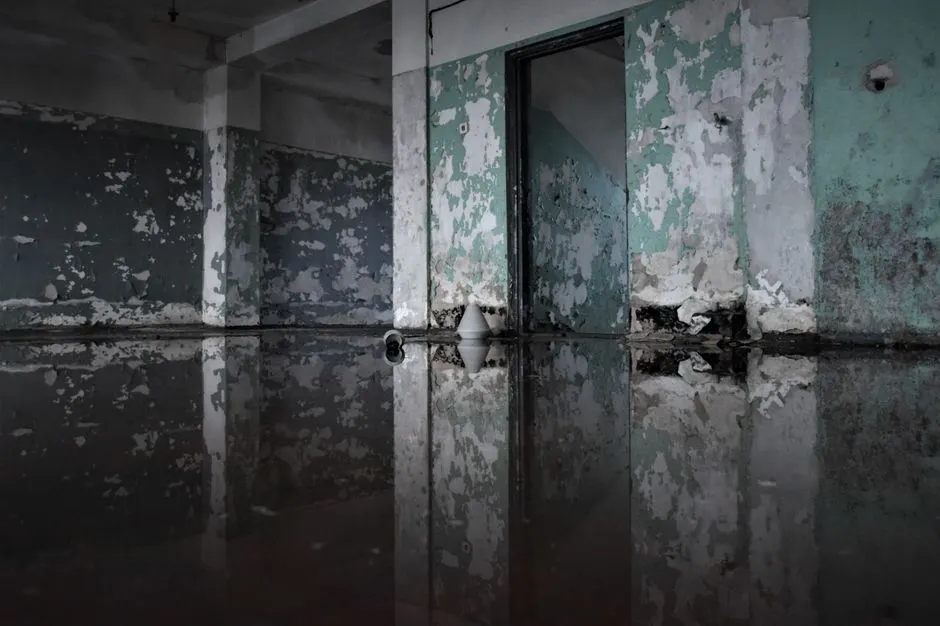
We deliver storm restoration services Utah homeowners can count on, from the Wasatch Front to the rural communities most contractors skip. Every city below gets the same crews, the same equipment, and the same direct insurance billing. If you do not see your town listed, call us anyway. We cover the whole state.
Orem sits in the middle of Utah County hail alley. We run summer routes here weekly, tarping roofs and drying attics after June and July hailstorms.
Murray's older brick homes have plaster walls that dry slower than modern drywall. We adjust drying times and equipment counts to match that building stock.
Midvale basements flood fast when storm runoff hits the older drainage systems. We pump, extract, and dry the same day, then check foundation seepage.
Payson gets wind and hail that crack shingles and drive water into attics. We stage crews nearby during storm season so response stays under 90 minutes.
Lindon's newer builds hide water under slab-on-grade floors. We use thermal imaging and moisture meters to find it before it reaches the framing.
Midway sees heavy snow loads and spring runoff that push water into crawl spaces. We pump, dry, and install polyethylene sheeting to keep it dry.
Garland's farmhouses take wind and winter storm damage that often hits the roof and attic together. We handle both in one job and document it for the claim.
Mendon sits in Cache Valley's wind corridor. Spring wind events tear off shingles and push water sideways into walls. We trace the path before rebuilding.
Levan is rural enough that most contractors skip it. We cover it with the same crews and equipment, just a longer drive, and we bill insurance directly.
Clarkston gets heavy snow and spring wind. We tarp roofs, dry attics, and rebuild in the same visit cycle so rural homeowners are not waiting weeks.
Deweyville's older homes need careful drying to avoid damaging original materials. We use borescopes and moisture meters to dry without unnecessary tear-out.
Cornish is a small Cache Valley town where storm damage often goes unnoticed until mold growth starts. We inspect, dry, and document the whole job.
Ibapah is one of the most remote addresses we cover. Storm damage here means a long drive for any contractor. We make it and bring the full equipment load.
Real answers to the questions we hear most often from local homeowners and property managers.
Storm water that gets past your roof or foundation becomes a water damage job fast. We extract standing water, dry the structure, and treat for mold growth so a storm leak does not turn into a gutted room.
View Water Damage RestorationWhen a storm drives water into your basement, every hour counts. Our extraction units pull hundreds of gallons before they spread into drywall and subflooring, and we start drying the same visit.
View Emergency Water RemovalUtah flash floods carry mud, debris, and contaminants into homes. We remove the mess, sanitize affected surfaces, and dry the structure so your house is safe to live in again.
View Flood CleanupStorm runoff finds the lowest point in your house. We pump out basements, check foundation seepage, and dry the slab and framing before mold growth takes hold.
View Basement Water ExtractionCrawl space moisture after a storm rots joists and feeds mold. We remove standing water, run desiccant dehumidifiers, and install polyethylene sheeting to keep the space dry.
View Crawl Space Water RemovalStorms overload municipal lines and push sewage back into Utah homes. We handle the Category 3 cleanup with full PPE, antimicrobial spray, and disposal of contaminated materials.
View Sewage Backup CleanupCall us at (855) 343-0501 any time, day or night. A live dispatcher answers, not a machine. We serve the entire state of Utah and can have a crew at your door within 60 to 90 minutes for most Wasatch Front addresses. You can also email [email protected].
Phone
(855) 343-0501Address
Utah
Hours
Mon–Fri: 7AM – 7PM
Sat: 8AM – 4PM
Sun: Emergency Only
24/7 Emergency Available