
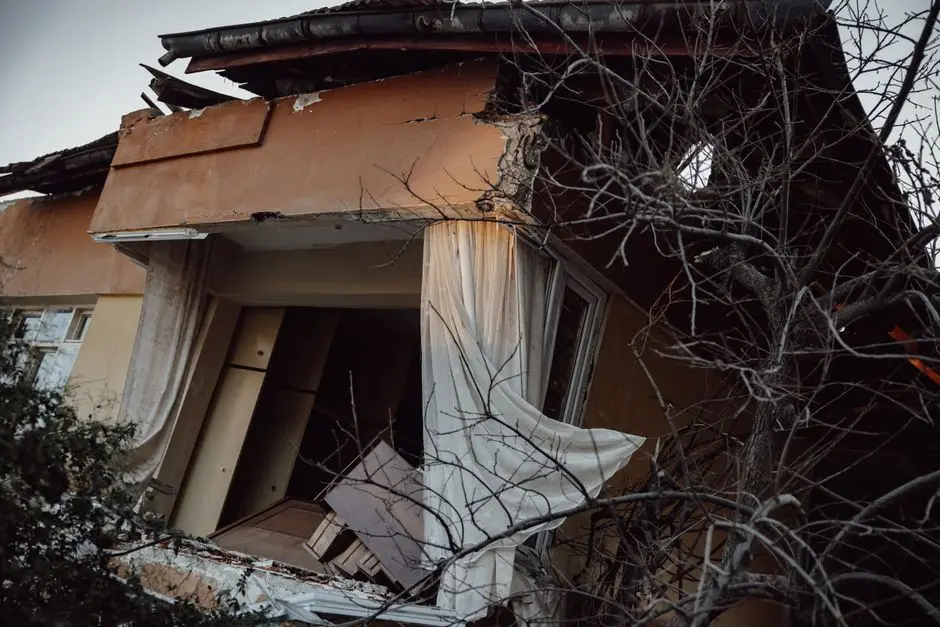
Emergency Water Extraction
We remove standing water from carpet, hardwood, tile, and concrete using truck-mounted and portable extraction units. For deep flooding we deploy sump pumps. Most residential extraction is complete within two to six hours.
Every water damage restoration job we run includes the core steps needed to stop damage and get your property dry. Some jobs need additional services like mold remediation or sewage cleanup, which we quote separately after the initial inspection.
We remove standing water from carpet, hardwood, tile, and concrete using truck-mounted and portable extraction units. For deep flooding we deploy sump pumps. Most residential extraction is complete within two to six hours.
We position air movers and dehumidifiers to dry wall cavities, subflooring, and framing. Technicians return daily to log moisture readings with a hygrometer and adjust equipment until materials hit dry standard.
A thermal imaging camera and moisture meter map exactly where water traveled. We photograph affected materials and record readings so your insurance adjuster has a complete picture of the loss.
After extraction we apply antimicrobial spray to affected surfaces to inhibit mold growth. This step matters most when water sat for more than 24 hours or when the source was a sewage backup.
We remove ruined drywall, insulation, and wood subflooring that cannot be dried in place. Materials are bagged and hauled off, leaving a clean space ready for rebuild.
Once the structure is dry, we replace drywall, insulation, tile, grout, and flooring. Our rebuild crew works under a Utah contractor license and warranties the repair work in writing.
Water Damage Restoration in Utah is the process of extracting standing water, drying structural materials, and repairing what the moisture ruined. It is not just shop-vaccing a puddle. We use moisture meters, thermal imaging cameras, and commercial dehumidifiers to find water hiding behind drywall, under wood subflooring, and inside wall cavities. Then we dry the structure to IICRC S500 standards and rebuild what needs replacing.
Utah homes face specific water threats: frozen pipes that split in January, slab leaks under tile floors, and summer monsoon roof leaks that soak insulation before you notice. Because our crews live here, we know how Utah's dry air and cold snaps affect drying times. If you search for water damage repair near me Utah, you want a team that understands local building stock, not a call center three states away.
Every job follows the same proven sequence, whether it is a small bathroom leak in Centerville or a flooded basement in South Jordan. Here is what you can expect from the first call to the final walkthrough.
Schedule
Call or book online — a real human picks up and confirms a 2-hour arrival window.
Diagnose
Licensed tech inspects on-site, then walks you through the cause and your options.
Fix
The job is completed to code and done right the first time — no shortcuts, no surprises.
Guarantee
Every job backed by a written workmanship warranty — and we stand behind it.
Thermal Imaging Camera
Reveals temperature differences that indicate hidden moisture behind drywall, under floors, and inside wall cavities without cutting holes.
Moisture Meter and Hygrometer
Measures moisture content in wood, drywall, and concrete, and tracks relative humidity so we know exactly when materials hit dry standard.
Dri-Eaz and Phoenix Air Movers
High-velocity air movers evaporate moisture from surfaces so dehumidifiers can capture it. We position them based on room size and material type.
Desiccant and Refrigerant Dehumidifiers
Pulls moisture from the air. Desiccant units work best in cool crawl spaces and basements, while refrigerant units handle warmer living areas.
Truck-Mounted Water Extraction Unit
Removes hundreds of gallons of standing water quickly from carpet, hardwood, and concrete before drying equipment is set.
Borescope
Inspects inside wall cavities and behind baseboards for hidden mold growth and trapped moisture without full demolition.
Sump Pump
Removes deep standing water from flooded basements and crawl spaces where standard extractors cannot reach.
IICRC S500 Standard
The industry standard for water damage restoration. It defines water categories, drying goals, and documentation requirements. We follow it on every job and log readings to prove materials reached dry standard.
Moisture Mapping
We map the full extent of water migration using a thermal imaging camera and moisture meter before drying begins. This prevents us from missing hidden moisture that would cause mold weeks later.
Daily Moisture Monitoring
A technician visits every day to record moisture readings and adjust equipment placement. You get a written log showing the drying progress and the exact day materials hit dry standard.
Antimicrobial Application
We apply antimicrobial spray to affected surfaces after extraction. This inhibits mold growth during the drying period, especially when water sat for more than 24 hours before we arrived.
01
What we do: Call our 24/7 line and we dispatch the nearest crew immediately. We shut off the water, extract standing water, and set up drying equipment the same night to prevent mold from starting.
→ You wake up to a crew already working, not a flooded basement that sat for eight hours.
02
What we do: We inspect the full path of water travel, extract from carpet and drywall, and dry the ceiling structure. Our estimator documents everything for your insurance claim.
→ The ceiling is dried and repaired, and your claim is filed with photos and moisture readings attached.
03
What we do: We remove standing water, install polyethylene sheeting as a vapor barrier, and run desiccant dehumidifiers to bring humidity down. We inspect joists for rot and replace any compromised wood.
→ Crawl space humidity drops to safe levels and the spongy floor is repaired before it becomes a structural problem.
04
What we do: We extract water from tile and carpet, dry the walls and baseboards, and check adjacent rooms with a moisture meter. If the subfloor is wet, we dry it in place or replace sections as needed.
→ The laundry room and hallway are dry within four days, and the flooring is restored to pre-loss condition.
Downtown Salt Lake City
Older homes with galvanized plumbing and finished basements are prone to supply line failures and slab leaks that need careful moisture mapping.
South Jordan
Newer construction with PEX plumbing still sees appliance failures and window well leaks that flood finished basements quickly.
Ogden
Historic homes near the foothills deal with roof leaks and foundation seepage after heavy snowmelt each spring.
Spanish Fork
Rapid growth means many homes are on newer slabs where slab leaks can go undetected until tile buckles.
Centerville
Homes along the east bench sit on sloped lots where runoff from spring storms finds its way into crawl spaces.
Hard freezes that split copper supply lines
Pipes in exterior walls and unheated crawl spaces freeze and burst, releasing water when temperatures rise. We handle these calls most often from December through February.
Spring snowmelt saturating soil around foundations
Groundwater pushes through foundation walls and into basements. We deploy sump pumps and extract water before it reaches finished living space.
Summer monsoon storms driving rain through roofs
Intense rain events overwhelm gutters and find gaps in roofing. We tarp damaged areas and dry attic insulation and ceiling drywall before mold starts.
Dry air that speeds surface drying but hides deep moisture
Utah's low humidity dries surfaces fast, which can fool homeowners into thinking the problem is solved. We use moisture meters to confirm wall cavities and subfloors are actually dry.
Water finds the path of least resistance, which usually means your ceiling, basement, or crawl space. Here are the problems we fix most often for Utah homeowners and what happens if they go unaddressed.
Problem
Water spreads under cabinets and into adjacent rooms within minutes, warping wood subflooring and soaking drywall.
Our Fix
We shut off the source, extract standing water, and set up drying equipment within hours. Our techs use thermal imaging to find water hiding behind cabinets and under tile so nothing gets missed.
Problem
Slow leaks under concrete go unnoticed for weeks, causing mold growth, buckled tile, and high water bills.
Our Fix
We locate the leak with moisture meters and thermal imaging, extract trapped moisture, and dry the slab. If tile and grout must come up, our rebuild crew replaces them after drying is complete.
Problem
Category 3 water carries bacteria and pathogens that pose serious health risks and require full disinfection, not just drying.
Our Fix
Our crew extracts the waste, removes contaminated drywall and insulation, applies antimicrobial spray, and disinfects the space to EPA standards before any rebuild begins.
Problem
Wet insulation loses R-value and compresses, and the moisture feeds mold growth in dark attic spaces.
Our Fix
We extract water, remove saturated insulation, and dry the framing and sheathing. Once dry, we replace insulation and repair any interior ceiling damage caused by the leak.
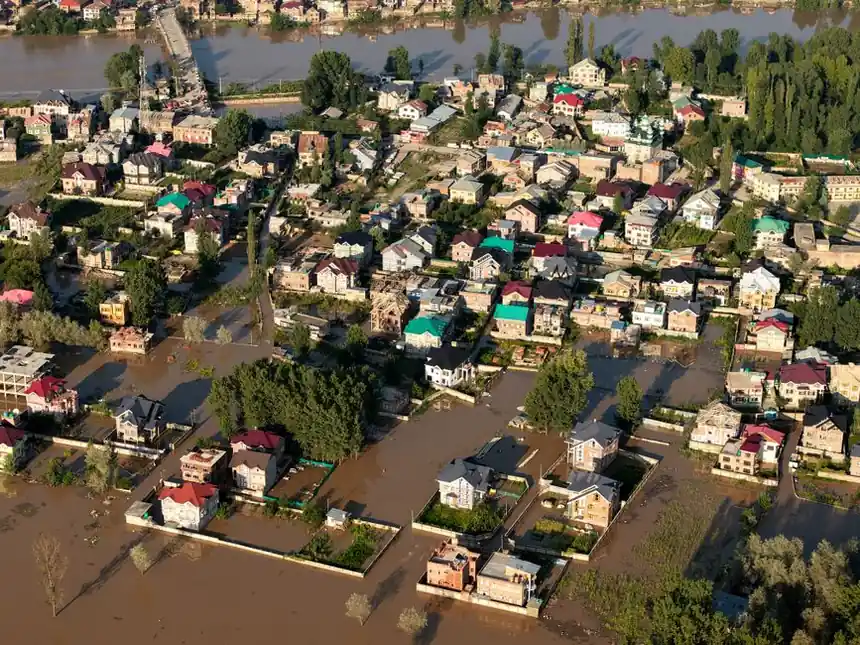
Water damage gets worse by the hour. Mold can start growing within 24 to 48 hours, and structural wood swells fast. Here is what you get when you call our team.
24/7 Emergency Response
We answer the phone at 2 a.m. when a supply line bursts. Our crews roll with water extraction units and air movers loaded, so we start pulling water within hours, not days. That speed is the difference between replacing a section of drywall and replacing an entire room.
Direct Insurance Billing
We document every affected material with photos, moisture readings, and Xactimate estimates your adjuster already recognizes. You do not have to front the cost and chase reimbursement. We bill the carrier directly and explain your out-of-pocket before work starts.
IICRC-Certified Technicians
Every lead tech holds IICRC WRT and ASD certifications, and we run EPA Lead-Safe practices on pre-1978 homes. That means we dry to a documented standard, not by feel. You get daily moisture logs showing exactly when your structure hit dry standard.
Full Repair, One Crew
Extraction, drying, mold remediation, and rebuild all happen under one roof. You are not coordinating three contractors. We replace the drywall, insulation, and tile we removed, and we warranty the repair work so you are covered after we leave.
Typical 2026 pricing for water damage restoration in Utah ranges from $1,200 to $6,000 for most residential jobs, with an average around $3,500. Small leaks that only soak carpet and pad can run $500 to $1,500. Basement flooding, sewage backups, and jobs requiring rebuild push higher. We provide a written scope and price before work begins, and we bill your insurance carrier directly when the loss is covered.
Typical Investment Range
$500 - $15,000 depending on scope
We give you a written scope and price before we start, document everything for your insurer, and warranty our repair work. No surprise charges after the equipment leaves.
What changes the price
Water Category
Clean water from a supply line costs less to remediate than Category 3 sewage, which requires removal of contaminated materials and full disinfection. Category 3 jobs often cost two to three times more.
Affected Square Footage
The more area water reached, the more extraction, drying equipment, and material removal is needed. A single room costs far less than a whole-floor loss.
Material Types
Carpet and pad dry quickly or get replaced cheaply. Hardwood, tile, and grout take longer to dry and cost more to remove and rebuild if they cannot be saved.
Drying Time Required
Most jobs dry in three to five days. Dense materials or homes with poor airflow can take seven to ten days, which increases equipment rental and monitoring costs.
Rebuild Scope
If drywall, insulation, flooring, or cabinetry must be replaced, rebuild adds to the total. We quote rebuild separately so you see exactly what restoration versus repair costs.
Insurance Coverage
Most sudden water damage is covered by homeowner policies. Your deductible and coverage limits determine your out-of-pocket. We document the loss so your claim moves smoothly.
Google ★★★★★4.9
Called at 11 p.m. when our water heater let go. A tech arrived in 45 minutes, extracted the water, and set up fans. They handled the insurance claim and the ceiling was repaired in two weeks. Straightforward pricing, no surprises.
Yelp ★★★★★4.8
Our basement flooded from a sump pump failure. The crew was professional, explained every step, and gave us daily moisture readings. They found moisture behind a wall we did not know was wet. Worth every penny.
BBB ★★★★★4.9
Sewage backup in our rental property. They removed the contaminated flooring, disinfected everything, and had the unit rent-ready in a week. The documentation they provided made the insurance claim painless.
Our technicians train on the same equipment used by national restoration firms: Dri-Eaz and Phoenix Restoration Equipment drying systems, DeWalt and Milwaukee moisture meters, and borescopes for wall cavity inspections. We hold IICRC WRT, ASD, and AMRT certifications, carry OSHA 10 cards, and work under a Utah contractor license. That combination means we dry to a documented standard and rebuild to code. We have handled everything from a single burst pipe in Kaysville to multi-unit sewage backups in Salt Lake City.
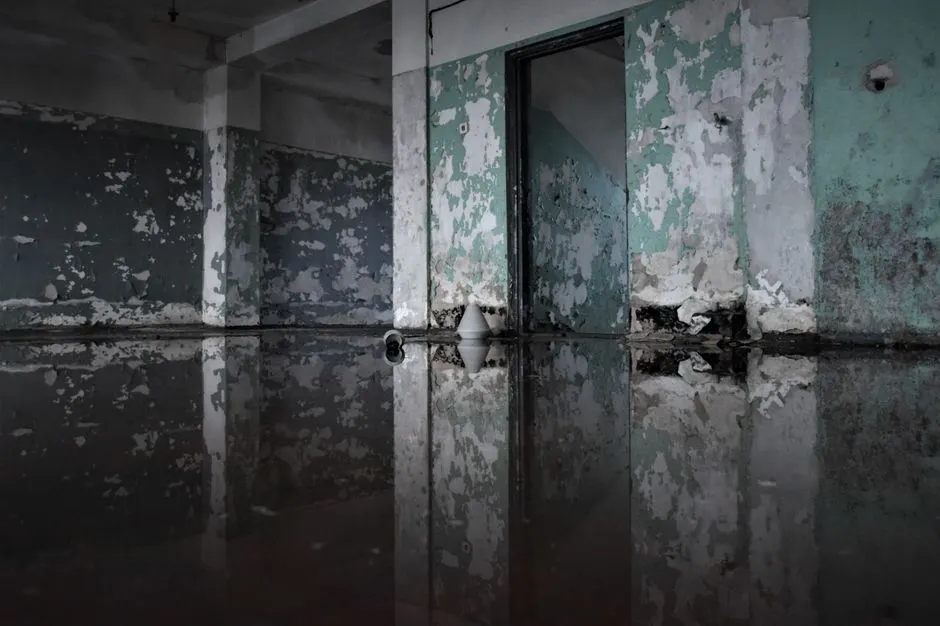
Water Damage Pros Utah covers the entire state, from the Wasatch Front to rural communities near the Nevada and Idaho borders. Our crews stage equipment in multiple locations so response times stay short. Whether you need water damage restoration services Utah wide or a single-room water damage repair Utah residents trust, we have a team positioned to help.
Older homes with galvanized plumbing and finished basements need careful moisture mapping. We handle burst pipes, slab leaks, and sewage backups across the city.
Newer construction with PEX plumbing still sees appliance failures and window well leaks. We extract and dry finished basements fast to prevent mold.
Rapid growth means many homes sit on newer slabs where leaks go undetected. We use thermal imaging to find hidden moisture before tile buckles.
Frozen pipes in exterior walls are common here each winter. We respond 24/7 to extract water and dry the structure before mold starts.
Homes on the east bench deal with spring runoff entering crawl spaces. We pump out water, install vapor barriers, and dry the framing.
Large lots and sloped terrain push stormwater toward foundations. We handle foundation seepage and basement flooding with same-day response.
Rural properties often rely on well systems and septic lines. We handle supply line failures and sewage backups with equipment sized for the job.
Older homes near the Weber River see foundation seepage after heavy spring runoff. We extract and dry basements and crawl spaces quickly.
Remote location means response times matter. We stage crews nearby and handle everything from burst pipes to roof leaks in this historic mining community.
Agricultural properties and older homes here deal with crawl space moisture and well line failures. We remove water and dry the structure to standard.
Small-town homes often have older plumbing and limited crawl space access. We bring portable equipment and handle the full restoration scope.
Rural homes near the Sevier River face flood risk each spring. We pump out water, dry the structure, and document everything for insurance.
Remote location near Utah Lake means we plan for longer drives. We handle water extraction, drying, and repair for homes and outbuildings.
Near the Nevada border, this community needs a crew willing to travel. We serve Garrison with full water damage restoration and repair services.
Real answers to the questions we hear most often from local homeowners and property managers.
When a pipe bursts at 2 a.m., our emergency water removal crew extracts standing water before it reaches your subfloor. We pair extraction with immediate drying setup so mold never gets a foothold in your Utah home.
View Emergency Water RemovalFloodwater carries silt, bacteria, and contaminants that regular extraction cannot handle. Our flood cleanup crews remove debris, sanitize affected surfaces with antimicrobial spray, and dry the structure to prevent long-term damage.
View Flood CleanupUtah basements flood from sump pump failures, foundation seepage, and window wells. We pump out standing water, extract from concrete and carpet, and set up drying equipment sized for below-grade spaces that hold moisture longer.
View Basement Water ExtractionCrawl space moisture rots floor joists and feeds mold growth you cannot see. We remove standing water, install polyethylene sheeting vapor barriers, and run desiccant dehumidifiers to bring humidity down to safe levels.
View Crawl Space Water RemovalSewage backups are Category 3 water, meaning they carry harmful bacteria. We extract the waste, remove contaminated materials, apply antimicrobial spray, and disinfect the space to EPA standards before any rebuild begins.
View Sewage Backup CleanupUtah storms drive rain through roofs, windows, and siding. We tarp damaged areas, extract water, dry the structure, and repair storm-related damage so your home is sealed and dry before the next front moves in.
View Storm Damage RestorationCall us at (855) 343-0501 any time, day or night. A live dispatcher answers, not a machine. We serve the entire state of Utah and can have a crew at your door within 60 to 90 minutes for most Wasatch Front addresses. You can also email [email protected].
Phone
(855) 343-0501Address
Utah
Hours
Mon–Fri: 7AM – 7PM
Sat: 8AM – 4PM
Sun: Emergency Only
24/7 Emergency Available