
Moisture Inspection
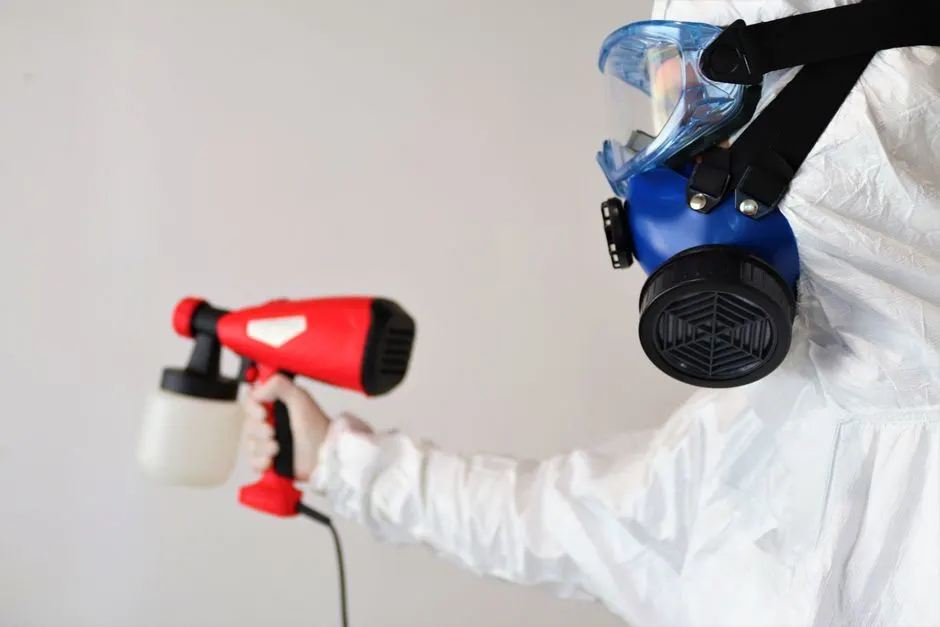
We map the mold and find the water source using a moisture meter, thermal imaging camera, and borescope. You get a written scope with photos and readings the same day.
Every mold remediation in Utah job starts with an inspection and ends with a verified dry structure. Here is what is covered in a standard scope, and what we quote separately if your job needs it.
We map the mold and find the water source using a moisture meter, thermal imaging camera, and borescope. You get a written scope with photos and readings the same day.
Polyethylene sheeting and negative air pressure keep spores out of clean rooms. Air scrubbers run for the duration of the job. This is standard on every mold job we do.
We remove contaminated drywall, insulation, and wood subflooring, then HEPA-vacuum and treat framing, tile, and grout with antimicrobial spray. Debris gets bagged and hauled out.
Air movers and dehumidifiers run until moisture readings hit dry standard. We check with a hygrometer every 24 hours and adjust equipment as needed.
We do a final visual inspection and moisture check, then hand you the documentation. Post-remediation air testing is available as an add-on if you or your adjuster want it.
Mold remediation in Utah is the process of finding active mold growth, containing it, removing contaminated materials, and drying the structure so spores cannot recolonize. It is not a bleach wipe-down. We use a moisture meter and thermal imaging camera to trace hidden water behind drywall and under wood subflooring, then set containment with polyethylene sheeting and negative air pressure before any demolition starts. Every affected cavity gets treated with antimicrobial spray, and we verify dry-down with a hygrometer before we close anything up.
Utah homes deal with mold after basement flooding, crawl space moisture, and foundation seepage that never fully dries. Along the Wasatch Front, winter freeze-thaw cycles crack supply lines and push water into wall cavities where it sits for weeks. In older neighborhoods, original drywall and insulation soak up that moisture like a sponge. If you have been searching mold remediation near me Utah and finding thin answers, our crews handle the whole job: extraction, containment, removal, and structural drying in one visit.
Five steps from the first call to a dry, verified structure. No surprises, no open-ended timelines.
Schedule
Call or book online — a real human picks up and confirms a 2-hour arrival window.
Diagnose
Licensed tech inspects on-site, then walks you through the cause and your options.
Fix
The job is completed to code and done right the first time — no shortcuts, no surprises.
Guarantee
Every job backed by a written workmanship warranty — and we stand behind it.
Moisture Meter
Pin and pinless readings show how deep moisture sits in drywall, wood subflooring, and framing. We log readings before, during, and after the job.
Thermal Imaging Camera
Shows temperature differences that reveal hidden water behind tile, grout, and finished walls without tearing everything open.
Borescope
Lets us look inside wall cavities and crawl spaces to confirm mold growth and find the water source before demolition.
Dri-Eaz and Phoenix Restoration Equipment
Air movers and dehumidifiers that pull moisture out of framing and subfloor. We size the equipment to the cubic footage of the affected area.
Hygrometer
Verifies that moisture content has reached dry standard before we remove containment and close up walls.
Air Scrubber
HEPA filtration that captures spores inside containment so they do not spread to clean rooms during removal.
IICRC S520 Mold Remediation Standard
We follow the IICRC S520 framework for containment, removal, and verification. It is the industry standard insurance adjusters recognize, and it keeps the scope defensible.
Negative Air Pressure Containment
Polyethylene sheeting and a negative air machine keep the work area under pressure so air flows in, not out. Spores stay contained until removal is complete.
Antimicrobial Treatment
After removal, we treat framing, tile, and grout with antimicrobial spray to stop regrowth on surfaces that stay in place. It is not a substitute for drying, but it adds a layer of protection.
Xactimate Documentation
We build the estimate in Xactimate, the same software most carriers use. That means your adjuster sees line items they recognize, which speeds up approval.
01
What we do: We extract standing water, open the wall, and dry the cavity. If mold has already started, we set containment and remove it on the same visit.
→ The wall is dry and mold-free, and you have documentation for your insurance claim.
02
What we do: We test air and surface samples, then use a thermal imaging camera to find hidden moisture behind drywall and under tile.
→ You know exactly where the problem is and what it will take to fix it, with no guesswork.
03
What we do: We remove mold from joists and insulation, dry the space, and check the sump pump and vapor barrier.
→ The unit passes an air quality test and is ready to rent again.
04
What we do: We handle emergency water removal, dry the structure, and remediate any mold growth before the season starts.
→ The cabin is dry and ready for summer use without a mold problem waiting.
Sugar House, Salt Lake City
Older bungalows with original plaster and uninsulated walls hold moisture longer, so we extend drying time and check cavities with a borescope.
Downtown Provo
Rental density means slow leaks often go unreported. We test air quality and inspect shared walls where moisture travels between units.
East Bench, Ogden
Homes near the foothills deal with foundation seepage after snowmelt. We check basements and crawl spaces for mold along the rim joist.
Bear Lake / Garden City
Seasonal cabins sit unheated through winter. We handle freeze-cracked pipes and dry the structure before mold takes hold in spring.
Freeze-thaw cycles from November through March
Supply lines and hose bibs crack, then leak slowly into wall cavities. Mold can start within 48 hours of the leak, often before the homeowner notices.
High water table in Cache Valley and Bear Lake
Crawl spaces stay damp year-round, which feeds joist mold and rots insulation. We dry the space and check the sump pump on every job.
Monsoon-driven roof leaks in southern Utah
Wind-driven rain soaks attic insulation and drywall. We remove wet materials, dry framing, and treat mold before it spreads into living space.
Aging plumbing in pre-1980 homes
Galvanized and polybutylene lines fail without warning. We flag likely failure points during inspection so you can plan ahead.
Mold is a symptom. These are the water problems that cause it, and how we fix both.
Problem
Spores spread through the house and trigger allergies, and the mold keeps returning until the moisture source is fixed.
Our Fix
We remove the affected drywall, treat the framing with antimicrobial spray, and dry the cavity. If a slab leak or foundation seepage is feeding it, we identify that and get it addressed before we close the wall.
Problem
Damp crawl spaces breed mold that travels upstairs through the floor system, and insulation loses R-value as it stays wet.
Our Fix
We remove standing water, dry the joists and subfloor, treat mold growth, and check the sump pump. A failed pump is a common cause, and we flag it so it gets replaced.
Problem
Category 3 water carries bacteria and feeds fast mold growth, and the smell lingers long after the water is gone.
Our Fix
We remove contaminated materials, disinfect, and dry the structure, then handle mold remediation on the same job. Documentation is built for insurance so the claim moves.
Problem
Wet insulation holds moisture against framing and breeds mold in a space most homeowners never check.
Our Fix
We remove the wet insulation, dry the framing, treat any mold growth, and verify with a hygrometer. We also check the roof leak source so it does not repeat.
Mold spreads fast and does not stop at the drywall. Here is what you get when you put our team on it.
Stops Spread Fast
Mold can colonize a damp wall cavity in 24 to 48 hours. We set containment and start removal the same day, which keeps spores out of your HVAC and stops the problem from jumping to the next room. Most jobs are contained within the first visit.
Finds Hidden Moisture
A moisture meter and thermal imaging camera show us exactly where water is hiding behind tile, grout, and drywall. We do not guess. If there is a slab leak or foundation seepage feeding the mold, we find it before we close the wall.
Restores Air Quality
After removal, we run air movers and dehumidifiers until the structure is dry. That means fewer musty odors, less irritation for kids and pets, and a home that smells like a home again. We verify with a hygrometer before we pack up.
Works With Your Insurance
We document the loss with photos, moisture readings, and an Xactimate estimate your adjuster can read. That speeds up the claim and keeps you out of the middle. Most standard policies cover mold that came from a covered water loss.
Typical 2026 pricing for mold remediation in Utah runs $1,200 to $6,500, with small contained areas starting around $800 and whole-basement jobs going higher. The biggest cost drivers are square footage, how deep the mold goes, and whether we have to remove drywall or subfloor. Emergency calls after hours may add a dispatch fee. You get a written scope and price before we start, and we document everything in Xactimate so your insurance claim moves faster.
Typical Investment Range
$800 - $6,500 depending on scope
Mold does not stop on its own. Fixing it once, with the moisture source addressed and the structure dried, costs less than repeated cleanups and failed real estate inspections.
What changes the price
Square footage affected
A 50-square-foot patch behind a baseboard is a different job than 500 square feet of basement drywall. Most pricing is calculated per square foot of containment and removal area.
Depth of mold growth
Surface mold on tile or framing cleans up faster. Mold that has penetrated drywall paper or wood subflooring means removal and replacement, which adds labor and materials.
Moisture source repair
If a slab leak, burst pipe, or failed sump pump is feeding the mold, that repair has to happen or the mold returns. We flag it during inspection and quote it separately.
Access and containment difficulty
Crawl spaces, attics, and finished basements take longer to contain and work in. Tight access adds labor hours and sometimes requires smaller equipment.
Testing and verification
Post-remediation air testing is optional but often requested by adjusters or buyers. It adds a lab fee and a day to the timeline.
Google ★★★★★4.9
Fast response after a pipe burst in our Sandy basement. They contained the mold, removed the drywall, and dried everything in four days. Moisture readings were documented at every step. Insurance covered it without a fight.
Yelp ★★★★★4.8
We had mold in a Provo rental crawl space. The tech used a borescope and found a failed sump pump we did not know about. They fixed the mold, replaced the pump, and the air test came back clean. Fair pricing.
BBB ★★★★★4.9
Burst pipe over a holiday weekend in Woods Cross. They answered on a Sunday and had equipment running that night. Handled the mold remediation and the rebuild. Straight answers, no surprise charges.
Our technicians hold IICRC WRT, IICRC ASD, and IICRC AMRT certifications, which cover water damage restoration, structural drying, and mold remediation. We carry a Utah contractor license and follow EPA Lead-Safe practices on pre-1978 homes. We have worked mold jobs in Salt Lake City bungalows, Provo rentals, Ogden basements, and Park City second homes. Every crew carries Dri-Eaz and Phoenix Restoration Equipment, and we document each job in Xactimate so your adjuster sees the same numbers we do.
We run mold remediation services Utah wide, from the Wasatch Front to Cache Valley and the rural communities in between. Our crews carry the same containment, drying, and testing equipment to every job, whether it is a Sandy rambler or a Garden City cabin. If you need mold removal Utah homeowners trust, we can get a crew to your address.
Basement slab leaks and older plumbing drive most Sandy mold jobs. We contain, remove, and dry, then document the loss for insurance.
Newer builds here see mold after supply line failures and foundation seepage. We dry the cavity and treat framing before closing walls.
Springville homes near the foothills deal with snowmelt seepage. We check basements and crawl spaces for mold along rim joists and baseboards.
West Haven crawl spaces stay damp from high water tables. We remove joist mold, dry the space, and check the sump pump on every job.
Burst pipes in winter are the leading cause of Woods Cross mold calls. We handle emergency water removal and remediation in one visit.
We serve Hill Afb housing with the same containment and drying process, including documentation that works for military housing claims.
Lewiston's older farmhouses often have uninsulated walls that hold moisture. We use a borescope to find hidden mold before demolition.
Honeyville properties see mold after well line failures and crawl space flooding. We extract, dry, and treat affected framing and insulation.
Eden homes near the reservoir deal with foundation seepage and damp crawl spaces. We dry the structure and treat mold before it spreads upstairs.
Seasonal cabins in Garden City sit unheated in winter. We handle freeze-cracked pipes and remediate mold before the summer season starts.
Woodruff's rural properties often have crawl space moisture from snowmelt. We remove mold, dry the space, and verify with a hygrometer.
Snowville homes deal with hard freezes and burst supply lines. We respond fast, dry the structure, and remediate any mold growth.
Croydon's older homes and outbuildings see mold after roof leaks and foundation seepage. We remove affected materials and dry the framing.
Real answers to the questions we hear most often from local homeowners and property managers.
Mold almost always starts with water. We extract, dry, and restore the structure, then handle mold remediation in Utah on the same job so you are not coordinating two contractors.
View Water Damage RestorationWhen a pipe bursts at 2 a.m., every hour counts. We pull standing water fast, which cuts the odds of mold growth and lowers the scope of any mold remediation later.
View Emergency Water RemovalFloodwater carries silt and contaminants that feed mold. We clean, sanitize, and dry after a flood, then test for mold growth before we close up walls.
View Flood CleanupBasements are Utah's most common mold zone. We extract water, dry concrete and framing, and treat any mold growth we find along the baseboards and floor joists.
View Basement Water ExtractionCrawl space moisture breeds mold that travels upstairs. We remove standing water, dry the space, and treat joists and insulation before mold spreads into living areas.
View Crawl Space Water RemovalSewage is a Category 3 loss and a mold magnet. We remove contaminated materials, disinfect, and dry the structure, then handle any mold remediation Utah code requires.
View Sewage Backup CleanupCall us at (855) 343-0501 any time, day or night. A live dispatcher answers, not a machine. We serve the entire state of Utah and can have a crew at your door within 60 to 90 minutes for most Wasatch Front addresses. You can also email [email protected].
Phone
(855) 343-0501Address
Utah
Hours
Mon–Fri: 7AM – 7PM
Sat: 8AM – 4PM
Sun: Emergency Only
24/7 Emergency Available