
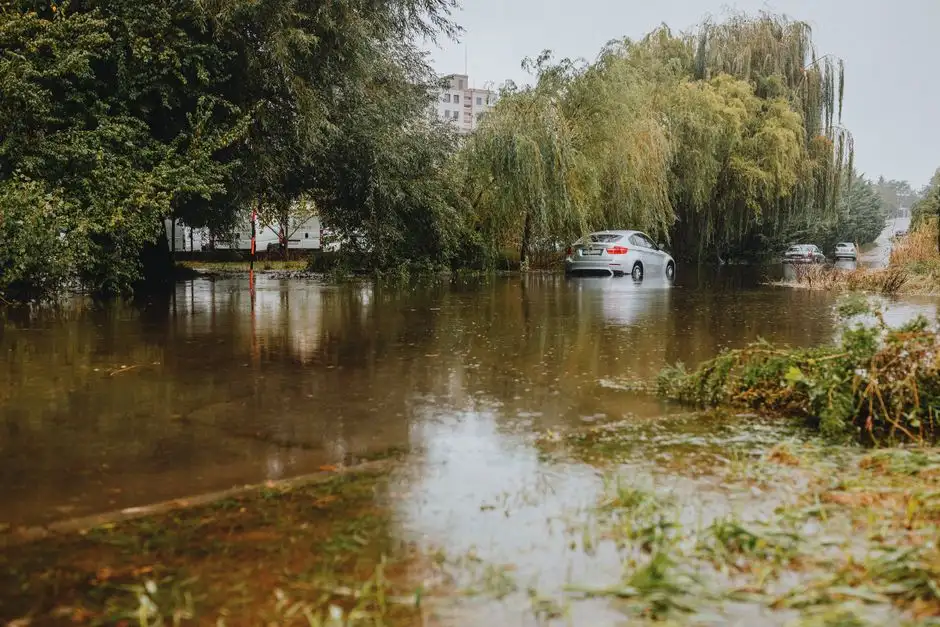
Your basement floods after heavy rain because water is finding a path in - through the foundation, a failed sump pump, a backed-up floor drain, or window wells that fill faster than they drain. In Utah, the culprit is usually a combination of clay-heavy soil that sheds water instead of absorbing it and a storm system that dumps an inch in 30 minutes. We see it every spring and every monsoon season: a homeowner wakes up to two inches of water on the basement floor and no idea where it came from.
Below, we walk through the six real causes, what 2026 repair costs look like along the Wasatch Front, and the first three things to do before anyone touches a shop vac. If you need help right now, our team handles water damage restoration Utah homeowners call at 2 a.m. - and we answer.
The short answer: why heavy rain floods Utah basements
Basement flooding after heavy rain in Utah is a drainage problem, not a rain problem. The ground around your foundation can only absorb so much water per hour. When rainfall exceeds that rate - which happens fast on Utah's clay soils - water pools against the foundation, builds hydrostatic pressure, and pushes through the path of least resistance: a hairline crack, a cold joint, a window well, or a floor drain tied to the city storm line.
Basement flooding is the intrusion of surface or groundwater into a below-grade space faster than the home's drainage system can remove it. It's not a sign your house is falling apart. It's a sign one of six systems failed at the same time the sky did.
Most Utah homes built before 1990 have no interior drain tile and no sump pit. That alone explains why a storm that drops 1.5 inches in an hour sends water across the floor in older neighborhoods from Water Damage in Ogden down to Provo.
Utah's soil and weather make basements vulnerable
Utah's soil and weather combine to make basements more flood-prone than most homeowners expect. Two things drive it: soil type and storm intensity.
Clay soil sheds water instead of absorbing it
Much of the Wasatch Front sits on clay and silty clay. Clay absorbs water slowly - often less than 0.1 inch per hour once saturated - and then swells. That swelling pushes against your foundation wall and drives water through cracks that were invisible last summer. Sandy, loamy lots in newer subdivisions drain better, but they come with their own problem: the soil was graded and compacted during construction, which can create a bowl around the foundation.
Utah storms deliver a lot of water in a short window
Utah's monsoon season runs roughly July through September and can drop 1 to 2 inches in under an hour. Spring snowmelt adds a second wave in March and April, when the ground is still partially frozen and can't absorb anything. The result is a double hit: the soil is already saturated when the heavy rain arrives, so every drop runs along the surface toward the lowest point - usually your window wells and foundation.
The six most common ways water gets into your basement
When we inspect a flooded basement in Utah, the water almost always traces back to one of these six entry points. Finding the right one matters - fixing the wrong thing wastes money and the water comes back next storm.
- Foundation cracks and cold joints. Hairline cracks in poured concrete walls and the seam where the wall meets the footing are the most common path. Water doesn't need a gap you can see; it moves through capillary action.
- Failed or undersized sump pump. A sump pump that's 10 years old, has no battery backup, or was sized for a smaller pit will quit during the storm that matters most. Power outages during summer thunderstorms are the second failure point.
- Window wells without proper drainage. A window well that fills with 18 inches of water becomes a swimming pool pressed against a basement window. If the well has no gravel bed or drain, the window is the next thing to fail.
- Blocked or collapsed footer drains. Older homes have clay tile footer drains that collapse or fill with roots. Once blocked, water has nowhere to go but back toward the wall.
- Backed-up floor drains and sewer lines. During heavy rain, the city storm system can surcharge, and water reverses into your floor drain. That's a different problem - and a dirtier one - that needs sewage backup cleanup in Utah, not just a wet vac.
- Improper grading and downspouts. A downspout that dumps water 12 inches from the foundation, or a yard that slopes back toward the house, sends thousands of gallons straight to the wall. This is the cheapest fix on the list and the one most homeowners skip.
What does basement water extraction cost in Utah in 2026?
Basement water extraction in Utah in 2026 typically runs $500 to $1,200 for a small, clean-water job under 500 square feet, and $1,500 to $4,500 when the water is contaminated, drywall is wet above the baseboard, or the space needs structural drying. Those numbers reflect the Wasatch Front market and include extraction, drying equipment, and moisture monitoring.
Here's how the costs break down:
- Emergency water removal: $300-$800 for the first visit, depending on water depth and square footage.
- Structural drying: $1,200-$3,000 for a typical 600-square-foot basement, usually 3 to 5 days of equipment on site.
- Mold remediation: $1,500-$6,000 if the basement stayed wet longer than 48 hours. Mold can start colonizing wet drywall and framing within 24 to 48 hours.
- Crack injection or interior drain tile: $600-$1,500 per crack, or $4,000-$9,000 for a full perimeter drain system.
If your basement has been wet for more than two days, the job is no longer just extraction - it's mold remediation in Utah, and the price reflects that. We test before we quote so you're not paying for mold work you don't need.
What to do in the first hour after your basement floods
The first hour after a basement floods decides how much of your stuff survives and how big the repair bill gets. Move in this order:
- Kill the power to the basement at the breaker - but only if you can reach the panel without stepping in water. If the panel is in the flooded area, call an electrician before you go down.
- Document everything with photos and video before you move a single box. Your insurance adjuster will ask for it, and the water line on the wall is evidence.
- Get standing water out fast. A wet/dry shop vac handles an inch or two. Anything deeper needs a submersible pump or basement water extraction in Utah with truck-mounted equipment.
- Pull up wet rugs and move furniture off the wet floor. Wood furniture legs wick water and stain within hours.
- Start air movement. Box fans and a dehumidifier help, but they don't replace professional drying. Household dehumidifiers remove about 30 pints a day; a flooded basement needs 100 to 200 pints a day to dry in a reasonable window.
One more thing: don't run a shop vac on a wet floor plugged into a basement outlet. We've seen more electrical injuries from flooded basements than from any other water job.
Common mistakes that make basement flooding worse
The most common mistake after a basement flood is waiting. Homeowners wait for the water to recede, wait for the insurance adjuster, wait for a neighbor's recommendation - and by day three, the drywall is growing mold and the repair cost has tripled.
Here's what we see that makes it worse:
- Assuming it's a one-time event. If water came in during a 10-year storm, it will come in again. Fix the entry point or it becomes an annual cleanup.
- Drying with fans only. Air movement without dehumidification pushes moisture into the air and then into the framing upstairs. You need both.
- Patching cracks from the inside with hydraulic cement. It looks fixed and fails within a season. Water finds the next weak point.
- Skipping the sump pump test. Pour a bucket of water into the pit twice a year. If the pump doesn't kick on within a few seconds, replace it before storm season.
- Ignoring the crawl space. Water in the crawl space wicks up into the floor above and creates the musty smell homeowners blame on the basement. That's a crawl space water removal in Utah job, not a basement job.
When to call a professional
Call a professional when the water is deeper than an inch, when it's been standing for more than 24 hours, when it smells like sewage, or when you can't find the entry point. Those four conditions mean the job is bigger than a shop vac and a fan.
At Water Damage Pros Utah, we handle the whole sequence: extract the water, dry the structure, test for moisture, and treat for mold if it's already started. We give you a written scope and an upfront price before we start - no surprise line items. If the water came in through a backed-up sewer line, we treat it as contaminated and follow the same protocol we use on every storm damage restoration in Utah job after a major weather event.
If you're in a newer subdivision where the grading was just finished, or an older neighborhood where the footer drains are original, the fix is different. We've worked both, and we'll tell you which one you're looking at.
Frequently Asked Questions
How long does it take to dry a flooded basement?
Most basements dry in 3 to 5 days with professional equipment. A small, clean-water flood under 300 square feet can dry in 48 to 72 hours. Wet drywall, insulation, or a saturated subfloor pushes it to 5 to 7 days, and we monitor moisture daily until readings are back to normal.
Does homeowners insurance cover basement flooding from heavy rain?
Standard homeowners insurance usually does not cover groundwater or surface flooding - that requires a separate flood policy, typically through the NFIP or a private carrier. It does cover sudden internal failures like a burst pipe or a failed water heater. Check your policy before the next storm, not after.
Why does my basement only flood during heavy rain and not light rain?
Light rain soaks into the soil. Heavy rain overwhelms the soil's absorption rate, and the excess runs along the surface to your foundation. Utah's clay soil saturates quickly, so a storm that drops an inch in 30 minutes can flood a basement that stays dry all spring.
Will a sump pump stop my basement from flooding?
A properly sized sump pump with a battery backup stops most basement flooding from rising groundwater and window well overflow. It won't stop water coming through a foundation crack above the floor line or a backed-up floor drain. Most Utah homes need the pump plus crack repair or grading work.
How much does it cost to fix a basement leak in Utah?
Crack injection runs $600 to $1,500 per crack in 2026. Interior drain tile for a full perimeter runs $4,000 to $9,000. Exterior waterproofing, which is the most permanent fix, runs $8,000 to $15,000 and requires excavation. We quote after we find the actual entry point.
Get help with Water Damage in Utah
If your basement is wet right now, the clock is running - mold starts within 24 to 48 hours, and every hour of standing water adds to the repair bill. We handle extraction, drying, and the full water damage restoration in Utah process from the first call to the final moisture reading.
Call Water Damage Pros Utah at (855) 343-0501. We'll tell you what we see, what it costs, and how fast we can be there.