
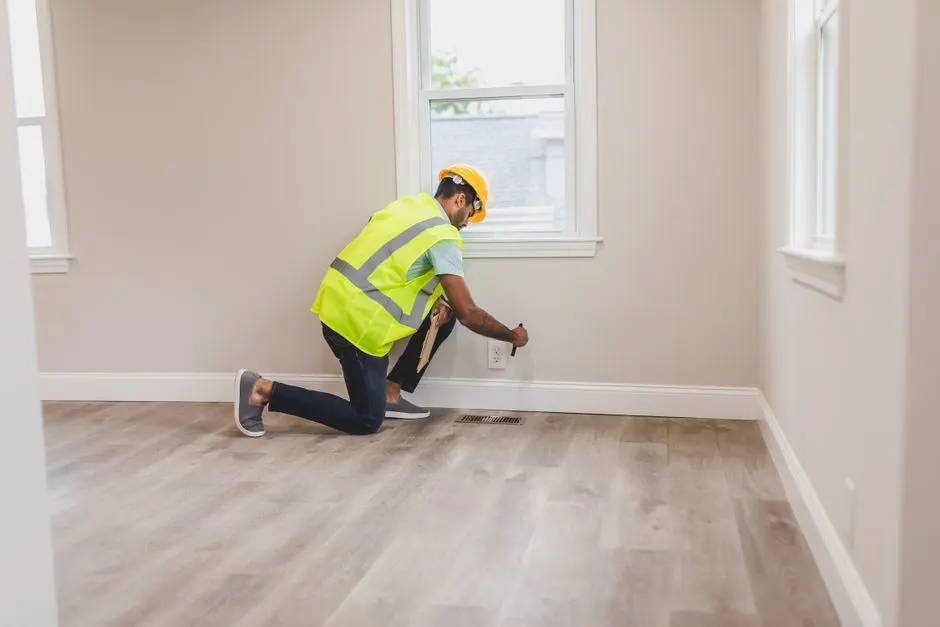
Moisture survey
Room-by-room readings with a moisture meter and hygrometer, plus thermal imaging on suspect walls, ceilings and floors. We log every reading so you can see exactly where the wet spots are and how wet they are.
Every Utah inspection includes the same core scope, whether you are in a 900-square-foot bungalow or a 4,000-square-foot home. Sampling quantities and crawl space work are quoted based on the property. Here is what you get.
Room-by-room readings with a moisture meter and hygrometer, plus thermal imaging on suspect walls, ceilings and floors. We log every reading so you can see exactly where the wet spots are and how wet they are.
We inspect attics, crawl spaces, mechanical rooms, under sinks and behind appliances using a borescope where walls are closed. Visible growth gets photographed and measured, with the affected square footage noted in the report.
Calibrated air pump samples indoors and outdoors for comparison, plus surface swabs or tape lifts from visible growth. Samples ship to an accredited lab the same day for genus identification and spore counts.
A report with lab results, moisture maps, thermal images, photos and a plain-language summary. If remediation is needed, the report includes a scope of work formatted for insurance and contractor use.
We walk you through the results by phone or on site, answer your questions and explain what the numbers mean. If the home is clean, we say so in writing, which is just as useful for a real estate sale.
Mold inspection and testing in Utah is a documented assessment that locates moisture sources, identifies active mold growth, and confirms the type and concentration of spores through laboratory analysis. A technician walks the structure with a moisture meter and thermal imaging camera, checking drywall, insulation, wood subflooring and crawl space framing for readings above 16 percent. Air samples and surface swabs go to an accredited lab, and you get results in writing, usually within 24 to 48 hours.
Utah homes give mold plenty of openings. Winter freeze-thaw cycles crack supply lines, spring snowmelt pushes water against foundations, and summer monsoon storms drive rain through roof flashing. Add a burst pipe behind a kitchen wall or a slab leak under tile and grout, and you have the two ingredients mold needs: moisture and a food source. That is why Utah mold inspection and testing matters after any water event, even one that looked minor.
Five steps, start to finish. Most Utah homes are inspected in two to four hours, with lab results back within one to two business days.
Schedule
Call or book online — a real human picks up and confirms a 2-hour arrival window.
Diagnose
Licensed tech inspects on-site, then walks you through the cause and your options.
Fix
The job is completed to code and done right the first time — no shortcuts, no surprises.
Guarantee
Every job backed by a written workmanship warranty — and we stand behind it.
Thermal imaging camera
Reads temperature differences behind drywall, tile and flooring to locate hidden moisture and air leaks without opening walls.
Moisture meter and hygrometer
Measures moisture content in drywall, wood subflooring and framing, and tracks relative humidity in the space to confirm whether conditions support mold growth.
Borescope
Slides into wall cavities through small access holes to inspect framing, insulation and the back side of drywall for visible growth.
Calibrated air sampling pump
Draws a known volume of air through a spore trap cassette so the lab can calculate spores per cubic meter and compare indoor to outdoor levels.
Dri-Eaz and Phoenix dehumidifiers
Low-grain refrigerant and desiccant units that pull moisture out of the air after we find a wet area, holding humidity below the threshold mold needs.
Air movers and HEPA filtration
Direct airflow across wet surfaces to speed drying, and capture airborne spores during inspection or remediation work.
Polyethylene sheeting and antimicrobial spray
Used to build containment around affected areas and treat surfaces after material removal, keeping spores from spreading to clean rooms.
IICRC S520 mold assessment protocol
The industry standard for mold inspection and remediation. It defines how to conduct a moisture survey, where to sample, how to interpret lab results and when containment is required. Our reports follow this framework so they hold up with insurers and contractors.
Comparative air sampling
We sample indoors and outdoors on the same visit. The lab compares the two, because a spore count only means something relative to what is naturally in the outside air. This is how we distinguish a real indoor amplification from normal background levels.
Moisture mapping
We log moisture readings room by room and mark them on a floor plan. That map shows the extent of the wet zone, guides drying equipment placement, and gives you a before-and-after record to confirm the structure actually dried.
Xactimate documentation
Reports are formatted with the line-item detail adjusters expect, including affected square footage, material types and photo documentation. That formatting is why our inspection reports move through insurance claims faster.
01
What we do: We inspect the cavity with a borescope and thermal camera, meter the framing, and take an air sample in the room. If the drying was done properly, readings come back normal and you have documentation. If not, we catch it before the colony spreads.
→ You know whether the wall is actually dry and clean, with lab results to prove it for insurance or resale.
02
What we do: We run a pre-purchase mold inspection with air sampling and a moisture survey of the basement, crawl space and attic. The report identifies active growth, moisture sources and the scope of any needed work.
→ You negotiate with real numbers instead of walking away, or you confirm the home is clean and close with confidence.
03
What we do: We inspect the attic and ceiling assembly where the leak traveled, meter the insulation and drywall, and take air samples in the affected rooms and outdoors for comparison. Lab results show whether indoor spore counts are elevated.
→ You get a clear answer about whether the air in your home is the problem, and a plan to fix it if it is.
04
What we do: We inspect the affected area, check for remaining moisture in the bottom plates and subfloor, and sample the air and surfaces. Category 3 water needs documented cleanup, and we verify it was done correctly.
→ You have proof the unit is safe to re-rent, and a report that protects you if a tenant raises a health concern later.
Utah mold inspection and testing looks different depending on where you are. Along the Wasatch Front, older homes in Ogden and Salt Lake City have galvanized plumbing and finished basements that hide leaks behind drywall. Newer builds in Lehi, Riverton and Syracuse have tight envelopes and slab-on-grade construction, so a slab leak shows up as a warm spot on tile and a musty smell in a closet. In the Cache Valley, freeze-thaw cycles from November through March crack supply lines in unheated crawl spaces. Down south, monsoon storms push water through roof flashing in Cedar City and Santaquin. We adjust the inspection to the housing stock and the season, and we carry enough equipment on the truck to sample a crawl space in Tremonton and an attic in Goshen on the same day.
Wasatch Front
Older housing stock with finished basements and galvanized plumbing. Hidden leaks behind drywall are the most common mold source we find here.
Cache Valley
Cold winters and unheated crawl spaces. Freeze-thaw supply line breaks between November and March drive most of our inspection calls in this corridor.
Utah County
Fast-growing areas like Lehi and Eagle Mountain with slab-on-grade construction. Slab leaks and irrigation line breaks show up as moisture under tile and grout.
Tooele and West Desert
Wind-driven rain and dust intrusion through roof and wall penetrations. We check attic assemblies and exterior wall cavities after storm events.
Southern Utah
Monsoon-season roof leaks and evaporative cooler moisture in Cedar City and Santaquin. Attic mold spreads fast in summer heat.
Winter freeze-thaw cycles
Supply lines in exterior walls and crawl spaces crack when temperatures swing below freezing. Water runs behind drywall, and mold can start within 48 hours if the leak is not caught.
Spring snowmelt and high groundwater
Basements and crawl spaces take on water through foundation seepage. Damp concrete and bottom plates stay wet for weeks, which is enough time for mold to colonize.
Summer monsoon storms
Wind-driven rain forces water through roof flashing, vents and window seals. Attic insulation soaks it up, and the heat above the ceiling accelerates mold growth.
Low indoor humidity in winter
Heated Utah homes dry out, which masks moisture problems in walls. A moisture meter and thermal camera are the only reliable way to find a leak when the air feels dry.
Most Utah mold calls start with a smell, a stain or a water event that was never fully dried. These are the four situations we run into most, and what happens if they sit.
Problem
Odor usually means active growth inside a wall cavity, under flooring or in the attic. Ignoring it lets the colony spread into insulation and framing, and remediation costs climb with every square foot affected.
Our Fix
We use thermal imaging and a borescope to find the hidden moisture, then take air samples to confirm whether spores are elevated indoors. You get a location and a spore count instead of a guess, and a scope of work if remediation is needed.
Problem
Mopping removes visible water, not moisture in concrete and bottom plates. A damp basement stays above 60 percent relative humidity, which is enough for mold to colonize within a week.
Our Fix
We take moisture readings in the slab, bottom plates and rim joists, run a hygrometer to check ambient humidity, and sample the air. If readings are high, we dry the space with dehumidifiers and air movers before mold takes hold.
Problem
Utah crawl spaces trap ground moisture and stay humid year-round. Wood subflooring and joists above 20 percent moisture content are prime mold territory, and rot weakens the structure under your floors.
Our Fix
Our inspectors crawl the space, meter the joists and insulation, and check for foundation seepage and sump pump failures. We document what is wet, recommend polyethylene sheeting and ventilation fixes, and test for mold before anything is covered back up.
Problem
A buyer's inspector flags a stain and the deal stalls. Without lab data, nobody knows if it is active mold or an old water mark, and negotiations drag while everyone guesses.
Our Fix
We inspect fast, sample the suspect area and deliver a written report with lab results, usually within two business days. Buyers, sellers and agents get a clear answer, and if remediation is needed, the report gives contractors a defined scope.

A mold problem you cannot see is still a mold problem. These are the four outcomes our Utah customers care about most when they call us.
Find the water source
Mold does not grow without moisture, so we trace the source first. Thermal imaging and moisture meters read through drywall and tile to find a slab leak, foundation seepage or a slow supply-line drip. Fix the water and the mold stops coming back.
Know the mold type
Lab analysis tells you whether you are dealing with common Cladosporium or something that needs containment. Air quality mold testing in Utah gives you spore counts inside and outside the home, so you know if indoor levels are elevated before you spend money on remediation.
Document it for insurance
Adjusters want evidence, not opinions. Our written reports include moisture readings, thermal images, lab results and photo documentation formatted for Xactimate claims. That paperwork is often the difference between a covered claim and a denied one.
Protect the sale
A real estate transaction stalls fast when a buyer smells something musty. A clean mold inspection report from a licensed Utah company gives buyers and lenders a clear answer, and if growth is found, you get a scope of work instead of a vague warning.
Utah mold inspection and testing pricing depends on square footage, how many samples are needed and whether a crawl space or attic is involved. Standard residential inspections start at $299 and most homes land between $299 and $650. Air samples run about $75 to $125 each, and most homes need two to four. You get the full price before we schedule, and the written report and lab results are included in that number.
Typical Investment Range
$299 - $650 for most Utah homes, plus $75 - $125 per air sample
A $400 inspection that confirms your home is clean saves you from a $4,000 remediation quote you did not need. When remediation is necessary, the lab report and moisture map give contractors a defined scope, which keeps bids accurate and prevents open-ended pricing.
What changes the price
Home size
Square footage drives inspection time. A 1,200-square-foot home takes about two hours; a 4,000-square-foot home with multiple levels can take four to five. Larger homes also need more air samples to cover separate HVAC zones.
Number of samples
Each air sample costs $75 to $125, and surface samples run slightly less. A single affected room may need one indoor sample plus an outdoor control. A whole-home concern with a basement, attic and living area can need four to six.
Crawl space or attic access
Tight crawl spaces and low attics take longer and require more equipment. If the space has standing water or heavy debris, we may need to clear access before we can inspect the framing and insulation properly.
Water event history
A recent burst pipe, sewage backup or roof leak means we inspect the affected assembly closely and often sample multiple rooms. Older events that were never documented may need more sampling to establish the extent.
Travel distance
Wasatch Front addresses are standard. Rural communities like Wendover, Portage, Newcastle and Beryl add drive time, which we quote upfront. We still cover the whole state, and we schedule rural inspections in batches to keep the cost reasonable.
Report turnaround
Standard lab turnaround is 24 to 48 hours and is included. Rush processing is available when a real estate deadline or insurance adjuster needs results faster, and it is quoted as an add-on.
Google ★★★★★4.9
Called about a musty smell in the basement and they came out the next morning. Thermal camera found moisture behind a finished wall that two other companies missed. Lab results in two days, report was clean and detailed. Worth every dollar.
Yelp ★★★★★4.8
We had a sewage backup in a rental and needed documentation for the insurance claim. They inspected, sampled and had the report to us in 48 hours. The adjuster accepted it without questions. Professional from the first phone call.
BBB ★★★★★4.9
Honest inspection. They tested our attic after a roof leak and told us the spore count was normal, no remediation needed. Fixed the leak referral and charged us only for the inspection. That kind of honesty is rare.
Google ★★★★★5.0
Buying a home in Brigham City and the inspection flagged a crawl space. They came out within two days, documented everything with photos and moisture readings, and the seller agreed to fix it. Smooth closing thanks to their report.
Our technicians hold IICRC WRT (Water Restoration Technician), IICRC ASD (Applied Structural Drying) and IICRC AMRT (Applied Microbial Remediation Technician) certifications, plus OSHA 10 and EPA Lead-Safe credentials. That combination matters because mold is almost always the second problem, not the first. We came up through water damage work, so we read a moisture meter the way a mechanic reads an engine code. Every inspector works under a Utah contractor license, and we carry the insurance and bonding that property managers and lenders ask for.
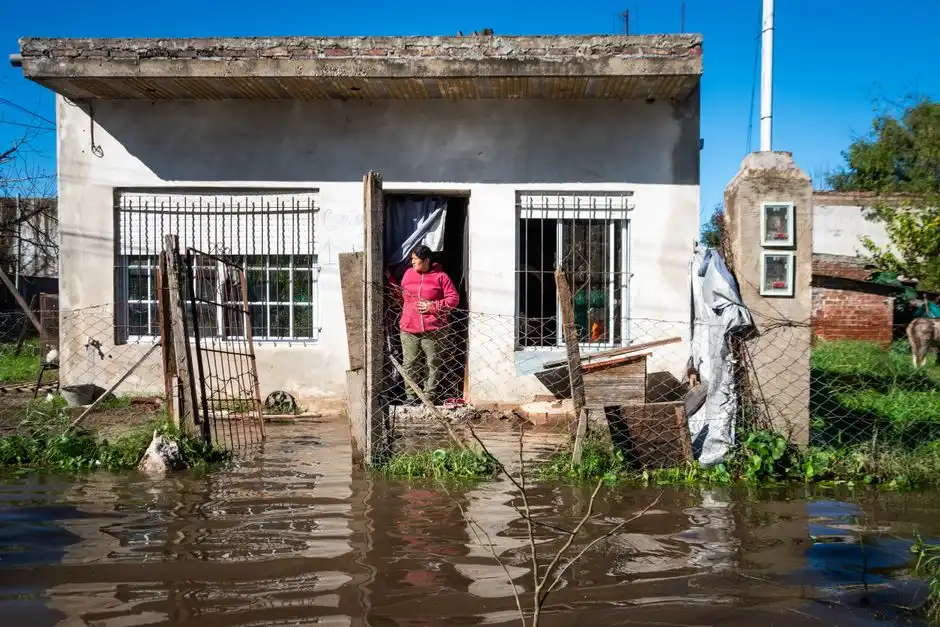
Our certified inspectors cover Utah from the northern border to the southern valleys. Whether you need mold testing services Utah wide for a single home or a portfolio of rentals, we run the same equipment, the same lab protocols and the same reporting standard in every community we serve.
Slab-on-grade construction and rapid growth mean slab leaks and irrigation line breaks. We inspect tile floors, baseboards and closets where moisture hides in Lehi homes.
Finished basements and older irrigation systems make Riverton a common call for basement moisture and mold testing after spring watering season.
Homes near the lake see higher ambient humidity. We check crawl spaces, rim joists and attic assemblies in Syracuse for moisture and early mold growth.
Spring snowmelt and foundation seepage drive most Brigham City inspections. We meter basement walls and bottom plates before mold takes hold.
Cold winters and unheated crawl spaces. Tremonton inspections focus on freeze-thaw supply line breaks and the moisture they leave behind.
Cache Valley humidity and older housing stock make Hyde Park crawl spaces a priority. We inspect joists, insulation and vapor barriers.
Willard homes near the wetlands deal with high groundwater. We check foundations, sump pumps and basement framing for seepage and mold.
Wind-driven rain and dust intrusion through roof and wall penetrations. We inspect attic assemblies and exterior wall cavities in Wendover after storms.
Rural Goshen properties often have outbuildings and older homes. We inspect main structures and detached buildings for moisture and mold growth.
Mountain snow loads and freeze-thaw cycles stress roofs and exterior walls. Huntsville inspections focus on attic leaks and wall cavity moisture.
Newcastle sits in a high-desert wind corridor. We check roof flashing, attic insulation and wall penetrations for storm-driven water intrusion.
Portage winters are hard on plumbing in exterior walls. We inspect for freeze breaks and the hidden moisture they leave in framing and insulation.
Beryl is rural and remote, and we still cover it. Inspections focus on well systems, older construction and crawl space moisture in this high-desert community.
Real answers to the questions we hear most often from local homeowners and property managers.
Inspection findings drive the restoration scope. If we find elevated moisture behind a wall, our restoration crew can open it, dry it and rebuild in one coordinated job instead of two separate contractors.
View Water Damage RestorationStanding water is the clock. Our extraction units pull water fast after a burst pipe or appliance failure, and we document moisture readings at the start so your later mold inspection has a baseline to compare against.
View Emergency Water RemovalFloodwater carries silt and contaminants into drywall and insulation. We clean, sanitize and dry, then run mold testing to confirm the structure is clean before you close walls back up.
View Flood CleanupUtah basements flood from foundation seepage and sump pump failures. We extract, dry with air movers and dehumidifiers, and inspect the rim joists and bottom plates where mold takes hold first.
View Basement Water ExtractionCrawl spaces hold humidity longer than any other part of a Utah home. We remove standing water, install polyethylene sheeting where needed, and test the joists and insulation for mold growth.
View Crawl Space Water RemovalCategory 3 water requires removal of porous materials and antimicrobial treatment. After cleanup and drying, mold testing verifies the affected cavity is clear before reconstruction.
View Sewage Backup CleanupCall us at (855) 343-0501 any time, day or night. A live dispatcher answers, not a machine. We serve the entire state of Utah and can have a crew at your door within 60 to 90 minutes for most Wasatch Front addresses. You can also email [email protected].
Phone
(855) 343-0501Address
Utah
Hours
Mon–Fri: 7AM – 7PM
Sat: 8AM – 4PM
Sun: Emergency Only
24/7 Emergency Available