
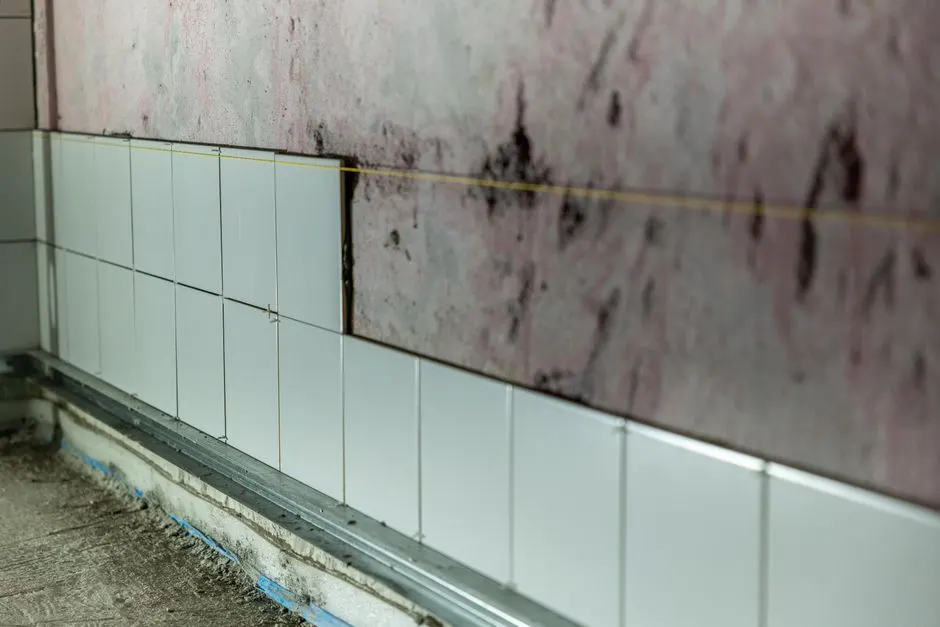
Most water damage restoration jobs in Utah land between $1,200 and $6,500, with the typical single-room job running about $3,000. Water damage restoration is the process of extracting standing water, drying the structure to verified moisture levels, and cleaning or replacing anything the water ruined - and the final bill depends far more on how long the water sat than on the size of the room. Below we break down real 2026 pricing by job type, what pushes a bill up or down, and how insurance actually handles these claims.
What water damage restoration costs in Utah in 2026
Typical 2026 pricing in this area runs $1,200-$6,500 for a standard residential job, and the national average of roughly $3,500 lines up with what we quote across the Wasatch Front. Small, caught-early jobs (a supply line under a sink, a toilet overflow mopped up within hours) often finish under $1,500. Whole-basement floods with finished drywall and carpet usually start around $6,000 and climb from there.
Here is how the money breaks down on a mid-size job:
- Water extraction: $300-$900, depending on volume and how many rooms are affected
- Structural drying (equipment + monitoring): $1,000-$3,000 for a 3-5 day dry-out
- Antimicrobial treatment: $150-$600
- Content pack-out and cleaning: $400-$2,500
- Demolition of unsalvageable materials: $300-$1,500
- Rebuild (drywall, paint, flooring, trim): $1,500-$8,000+
Those numbers are the honest range. Anyone quoting a flat price over the phone before seeing the moisture readings is guessing. We give you a firm scope after we walk the job and meter the walls, not before.
What drives the price up or down
Water category, how long the water sat, and how much of the structure is wet move the price more than anything else. Clean water from a burst supply line is a different job than a sewage backup that soaked into subfloor for two days.
Water category
Category 1 is clean water from a supply line or rainwater. Category 2 is gray water - washing machine discharge, dishwasher leaks - and requires more cleaning. Category 3 is black water: sewage, groundwater, or floodwater, which is treated as contaminated and usually means removing and disposing of affected materials rather than drying them in place. A Category 3 job can cost two to three times what the same square footage costs as Category 1.
Time and spread
Mold can begin colonizing wet drywall and framing in 24 to 48 hours. Once it does, you are paying for remediation on top of drying. Water that has wicked up a wall past the baseboard or soaked into a subfloor adds demolition and rebuild to the bill.
Materials and access
Finished basements cost more to dry and repair than unfinished ones. Hardwood floors, engineered wood, and certain tile installs are slower to dry and more expensive to replace. Crawl spaces and tight mechanical rooms slow the work down and add labor.
How much does each type of water damage job cost?
Cost per job type varies widely, but these are the ranges we see most often on Utah residential work in 2026. When water is still standing, emergency water removal in Utah is the first line item and the one that saves the most money - every hour of standing water multiplies the rest of the bill.
Burst pipe or supply line
Usually $1,200-$3,500. If the water is caught within a few hours and stays in one room, extraction and drying are the whole job. If it runs under flooring into a hallway or adjacent room, expect the higher end.
Basement flooding
Common in older homes and after spring snowmelt. basement water extraction in Utah typically runs $1,500-$5,000 depending on whether the basement is finished and how deep the water got. Finished basements with carpet and drywall push toward the top of that range.
Crawl space water
Crawl spaces are slow, awkward work. crawl space water removal in Utah usually costs $1,000-$3,500, and if the vapor barrier and insulation are soaked, replacing them adds $500-$1,500.
Sewage backup
Category 3 work with disposal and disinfection. sewage backup cleanup in Utah typically runs $2,000-$7,000, and the higher end is common when the backup reached a finished floor.
Storm and flood damage
Wind-driven rain, hail, and flash flooding. storm damage restoration in Utah often combines water extraction with roof or window repairs, and multi-trade jobs run $3,000-$15,000+.
Mold
If mold has already started, mold remediation in Utah usually adds $1,500-$6,000 depending on the area affected and whether containment is needed. Testing first - mold inspection and testing in Utah - typically runs $300-$800 and tells you whether remediation is actually necessary.
Does homeowners insurance cover water damage in Utah?
Most Utah homeowners policies cover sudden and accidental water damage - a burst pipe, a failed water heater, an appliance supply line - but exclude gradual leaks and rising groundwater. The distinction matters because it is the single biggest factor in what you actually pay out of pocket.
Covered typically means: sudden pipe bursts, appliance failures, accidental overflows, and storm-driven water entering through a damaged roof or window. Not covered typically means: slow leaks you should have noticed, foundation seepage, groundwater flooding, and neglected maintenance. Flood insurance is a separate policy through the NFIP or a private carrier.
Two things make claims go smoother. First, stop the water and call us before you start tearing things out - we document moisture readings, photos, and affected materials in a format adjusters accept. Second, keep every receipt for temporary repairs and hotel stays; most policies reimburse those under loss of use.
What to watch out for on a Utah restoration estimate
Most of the bad experiences homeowners describe come down to four things: vague scopes, surprise line items, drying equipment pulled too early, and rebuild costs that were never mentioned. Watch for these.
- No moisture readings in the estimate. A real scope lists the affected materials and the target dry standard. If the number is a flat guess, walk.
- Drying equipment billed by the day with no end date. A normal dry-out takes 3-5 days. Open-ended equipment rental is how bills balloon.
- Rebuild listed as "not included." Ask upfront whether the price covers putting the room back together or just drying it.
- No mention of Category 3 protocol. Sewage and floodwater require disposal and disinfection. If a quote treats it like clean water, it is wrong.
- Pressure to sign before you have seen the scope. You should know what is being removed, what is being dried, and what is being rebuilt before work starts.
One more: check that the company carries liability insurance and workers' comp. If a technician is injured on your property without coverage, that becomes your problem.
When to call a professional
Call a professional when water has been standing for more than a couple of hours, when it has reached a wall, subfloor, or ceiling, or when the source is sewage or outdoor floodwater. Those are the situations where DIY drying with fans and a shop vac stops working and mold starts.
We handle water damage restoration in Utah from the first extraction through the final rebuild, and we work directly with your insurance adjuster so you are not translating between two contractors. If you are in Salt Lake City water damage restoration territory or anywhere along the Wasatch Front, we can be on-site the same day to meter the damage and give you a real number.
If you are not sure whether it is worth calling, ask yourself one question: is anything still wet that should be dry? If yes, get it looked at. Drying a wet wall costs a few hundred dollars. Replacing one costs a few thousand.
Frequently Asked Questions
How much does water damage restoration cost in Utah?
Most residential jobs run $1,200-$6,500 in 2026, with a typical single-room job around $3,000. Small jobs caught early often finish under $1,500, while finished-basement floods with rebuild usually start at $6,000.
Does homeowners insurance cover water damage in Utah?
Yes for sudden, accidental damage like burst pipes and appliance failures. No for gradual leaks, foundation seepage, or groundwater flooding. Flood coverage is a separate policy, so check your declarations page before you assume.
How long does water damage restoration take?
Extraction takes a few hours. Structural drying takes 3-5 days with daily moisture monitoring. Rebuild, if needed, adds one to three weeks depending on materials and scheduling.
Can I just dry it myself with fans?
Only for very small, clean-water spills caught within an hour or two. Once water reaches drywall, subfloor, or insulation, household fans cannot move enough air to dry the cavity, and mold can start within 24-48 hours.
Will my water damage claim raise my premium?
It can. A single sudden-damage claim often does not, but repeated claims or large payouts can affect your rate at renewal. Ask your agent how a claim would be rated before you file.
Get help with Water Damage in Utah
Water damage gets more expensive every hour it sits, and the difference between a $1,500 job and a $6,000 job is usually how fast someone got a meter on the wall. Call Water Damage Pros Utah at (855) 343-0501 and we will be on-site the same day with a real scope and a real number.